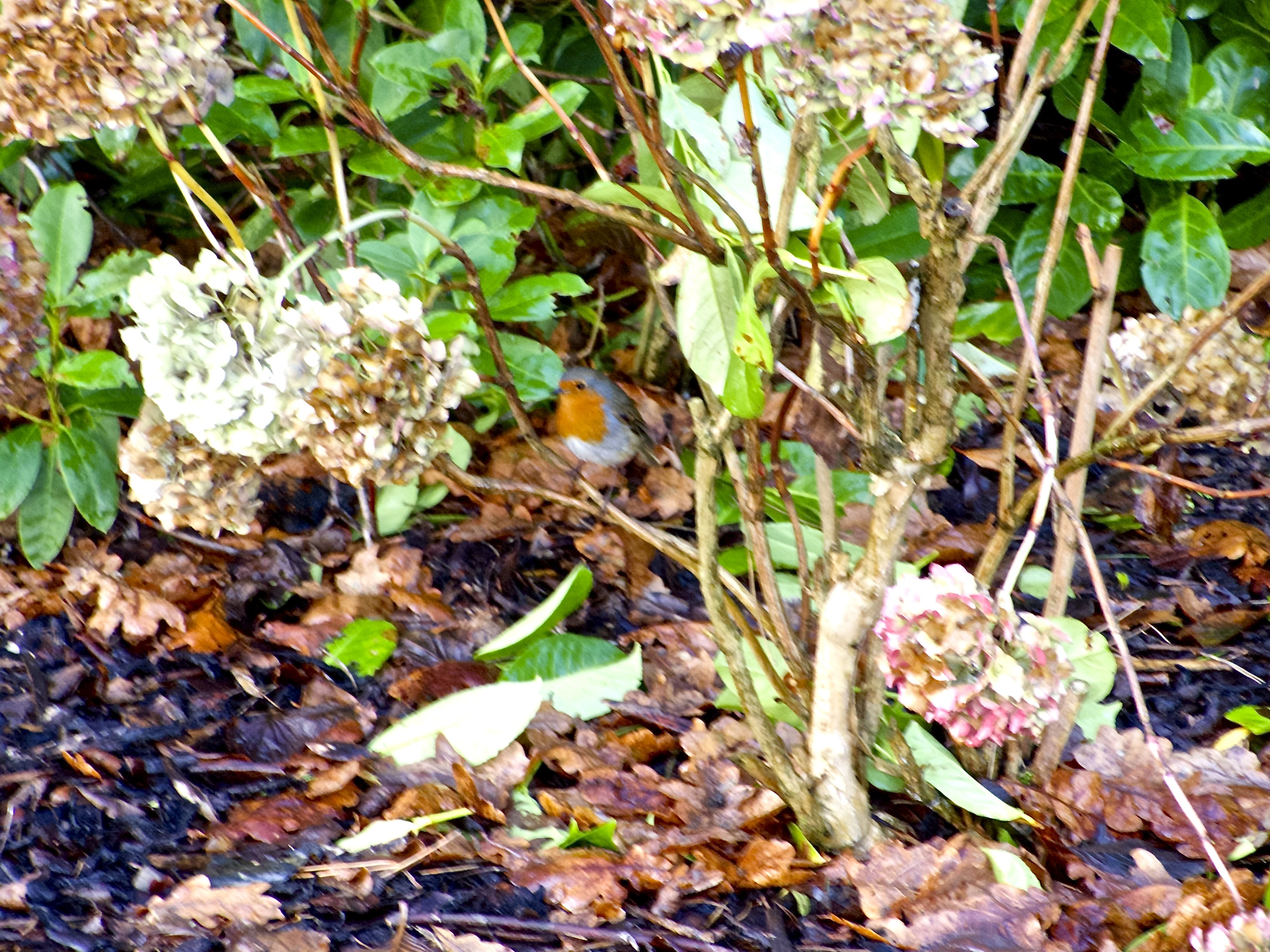
 Robins, my constant gardening companions all through January, are so hard to photograph. The garden is full of them and sometimes more than one comes to feast off the worms and insects my fork turns up. The other day two perched on the same branch of a shrub. I thought they were territorial. Maybe not in January!
Their company reminded me of ‘The Secret Garden’ by Francis Hodgson Burnett, herself a keen gardener. A book once read and loved in childhood but wonderful to reread and sense the excitement of Mary as she discovers the garden locked away for ten years. Slowly as she works in it, with Dickon’s help, she finds it is not dead but bursting with life. As the garden wakes up Mary discovers new life for herself through working in it. Ultimately it becomes a place of healing for her invalid cousin Colin and his father. The process of working with the created life of a garden is thrilling, exciting, unexpected, deeply satisfying, truly wholesome and at times overwhelmingly joyous.
January this year has been a month of unexpected flowers, colours and so much to rejoice in. Some lovely sunny days, others dank and misty but all full of interesting things to do and discover.
What has flowered?
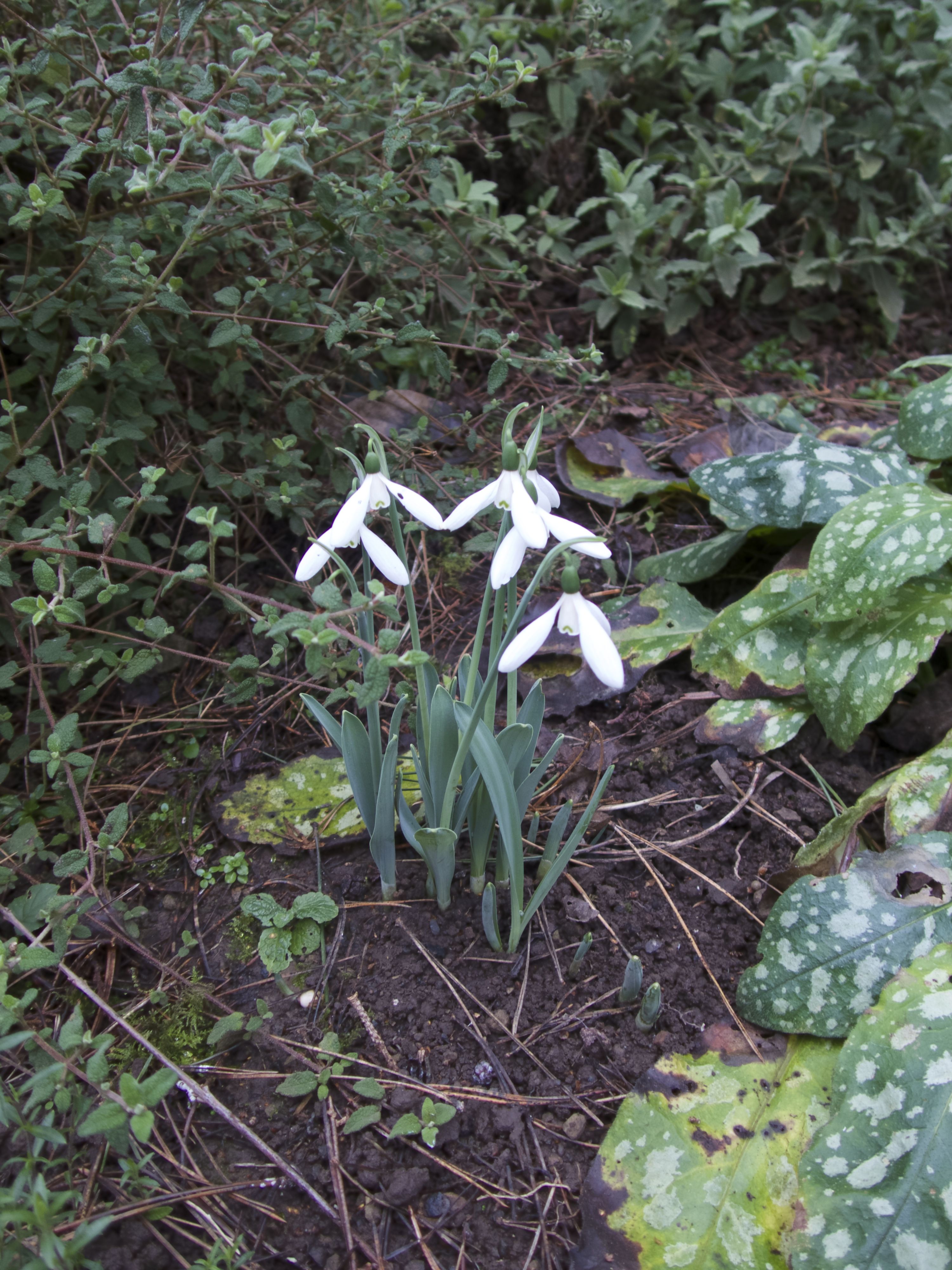
The first Snowdrops to emerge- just before Christmas
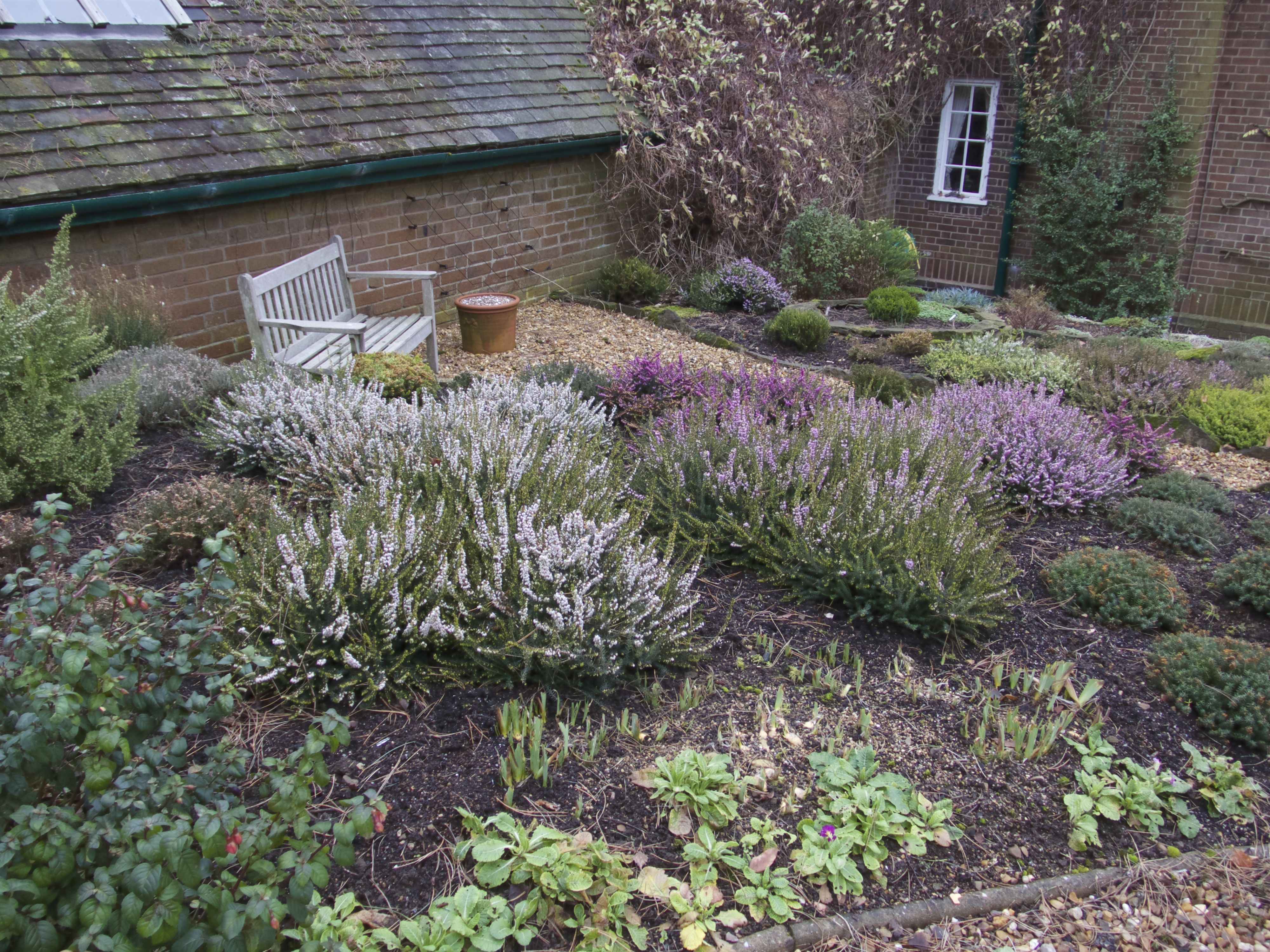
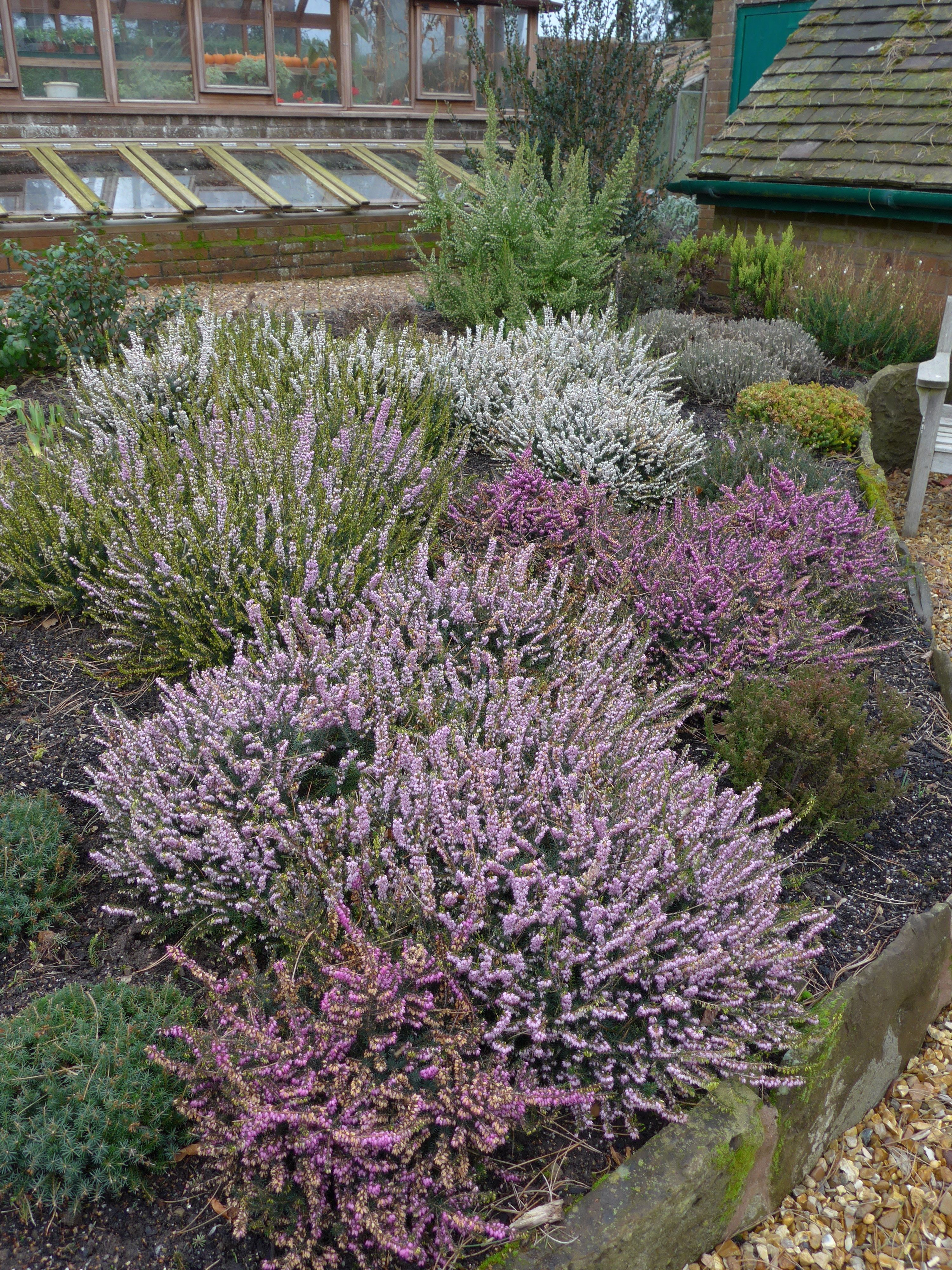
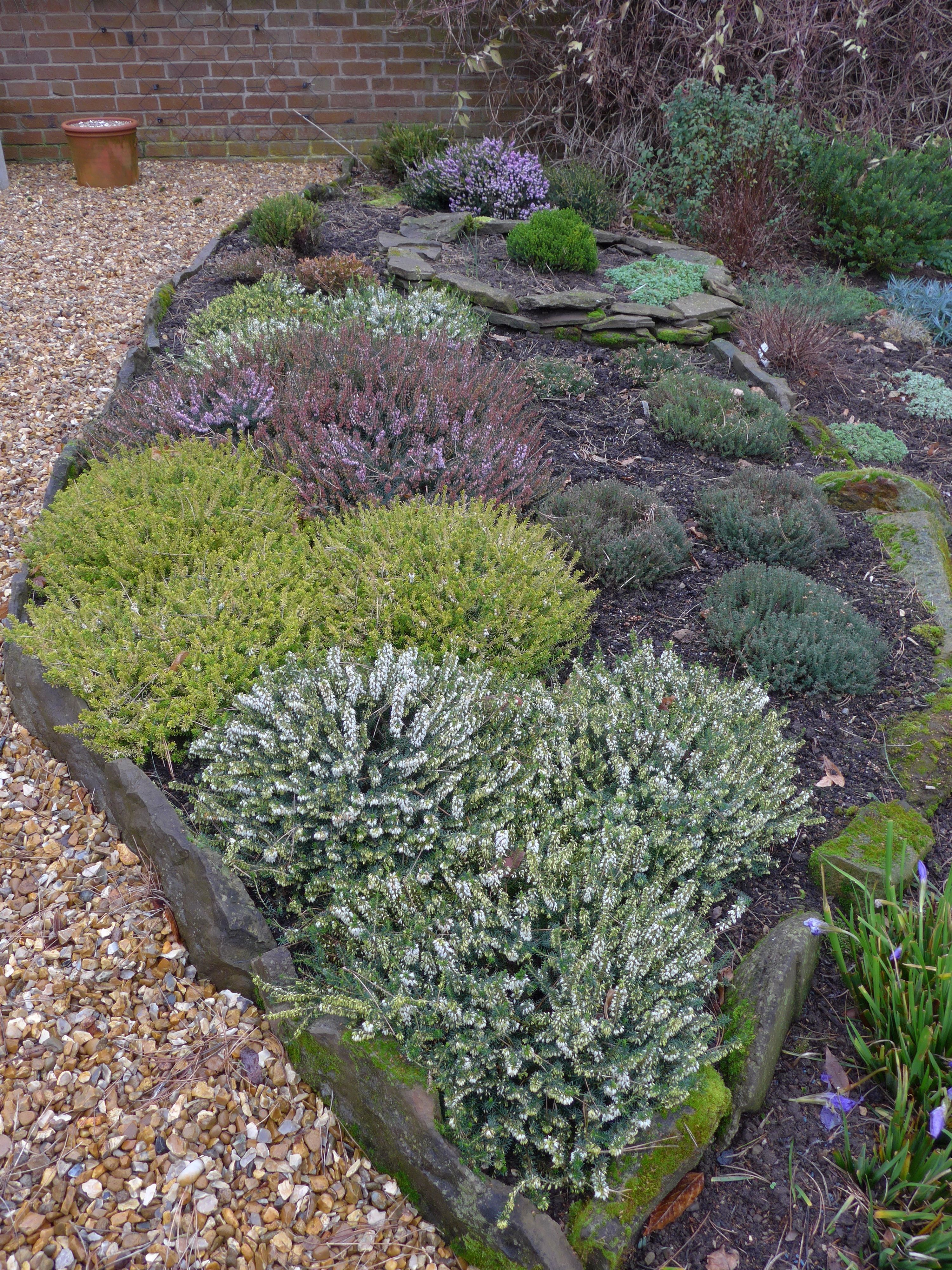
then the Heather Garden burst into it’s winter glory
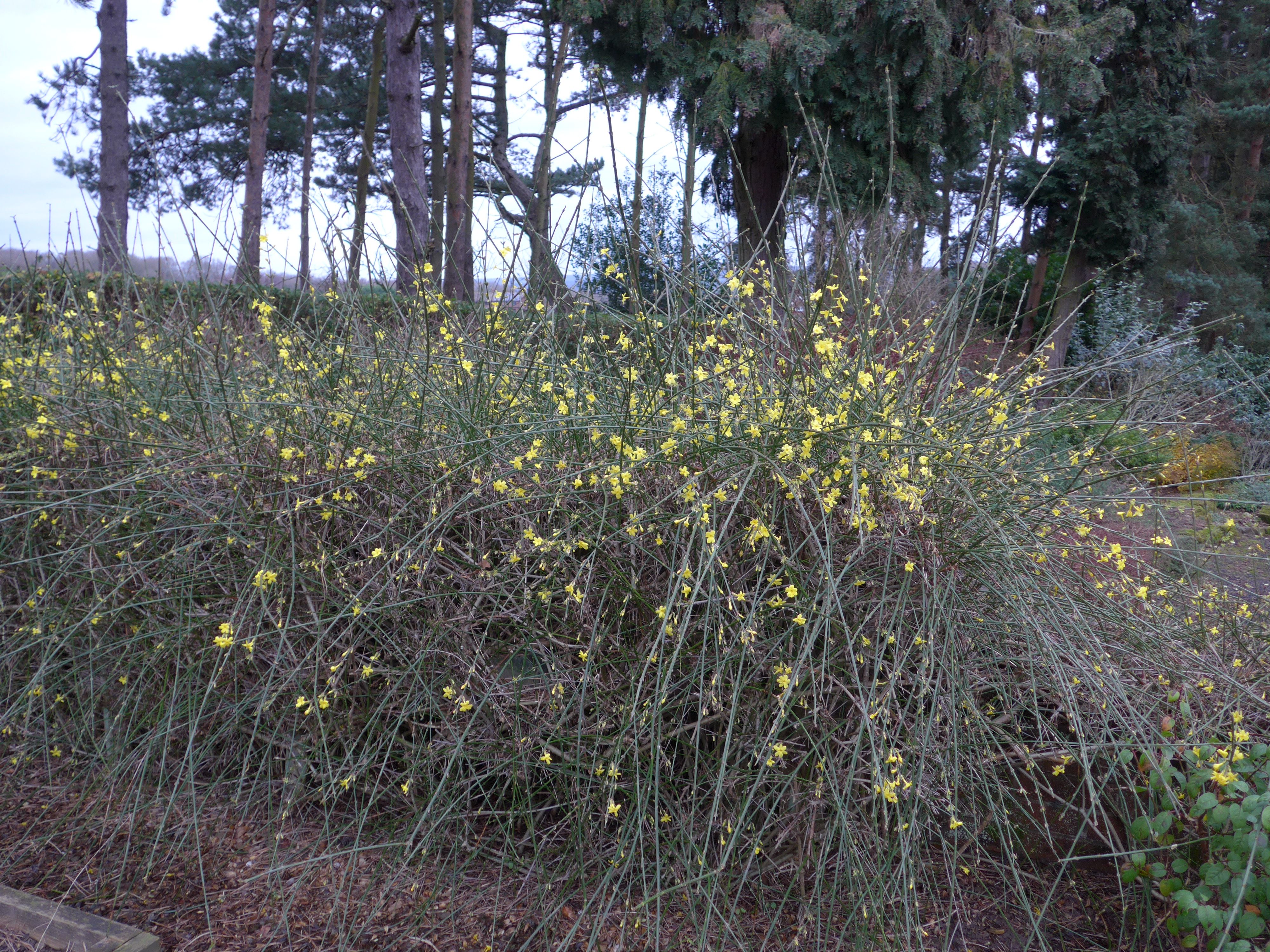
The winter jasmine flowered from Christmas omwards bringing cheer to gloomy days
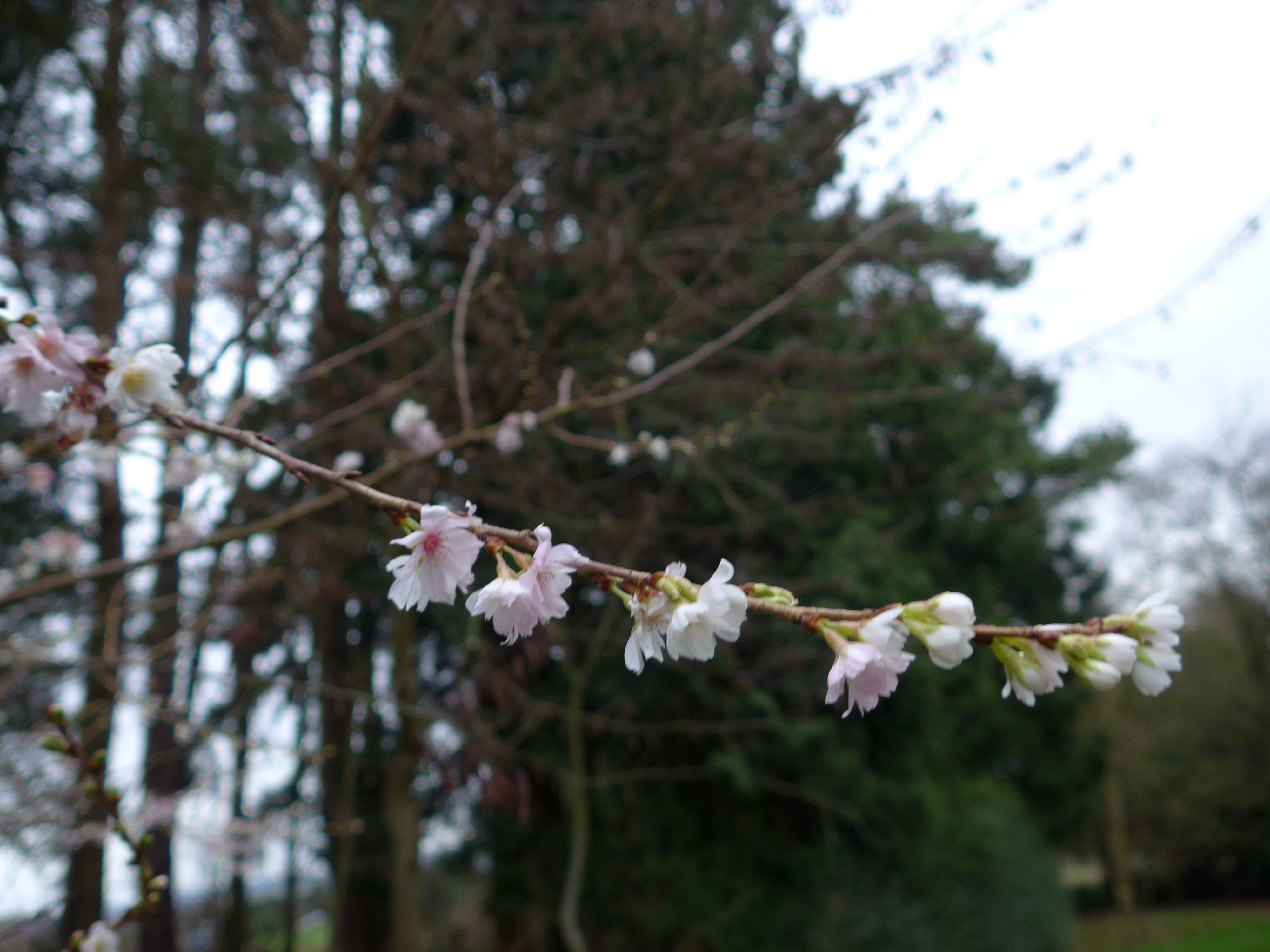
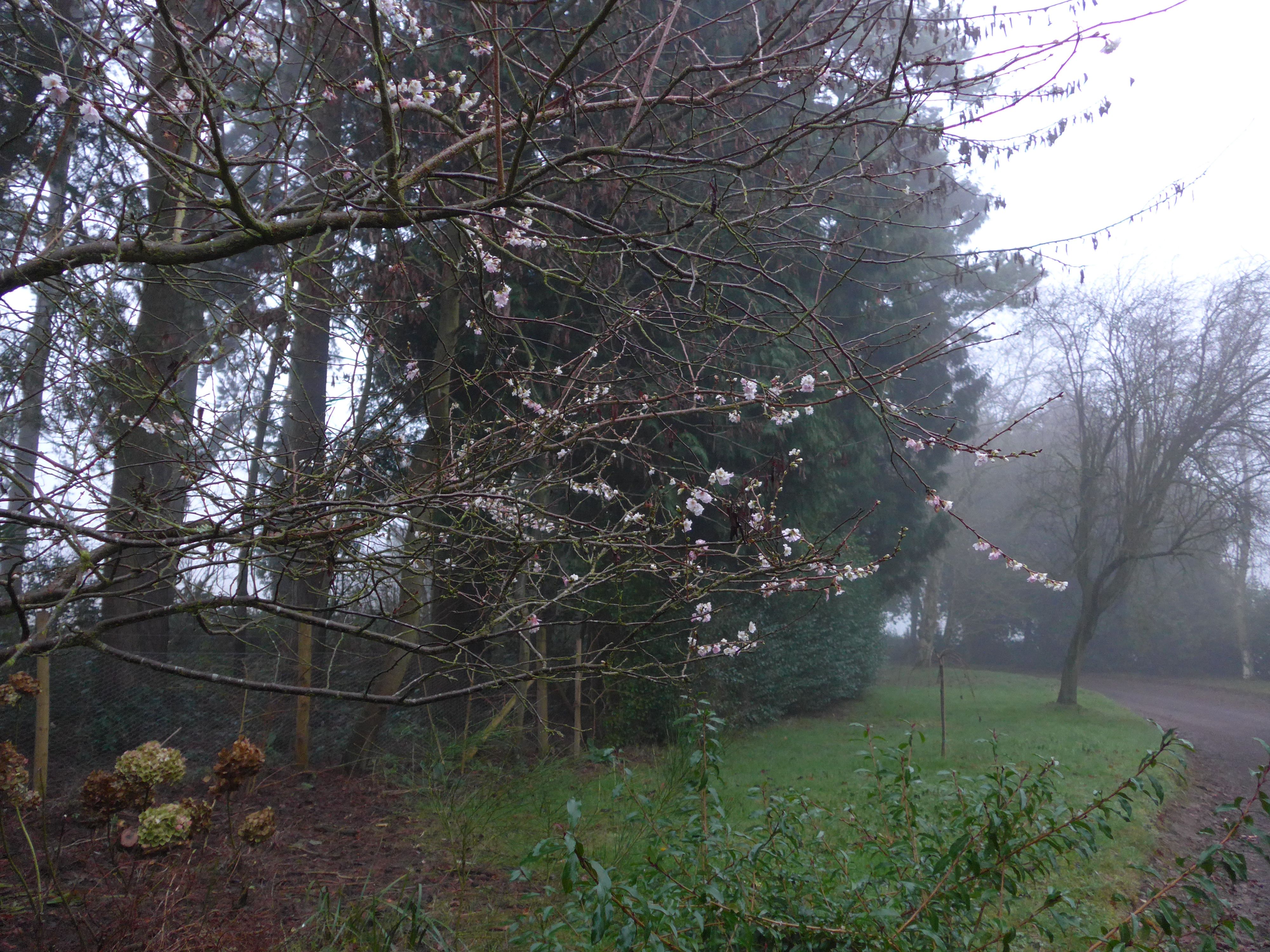
as did the Prunus Autumnalis,
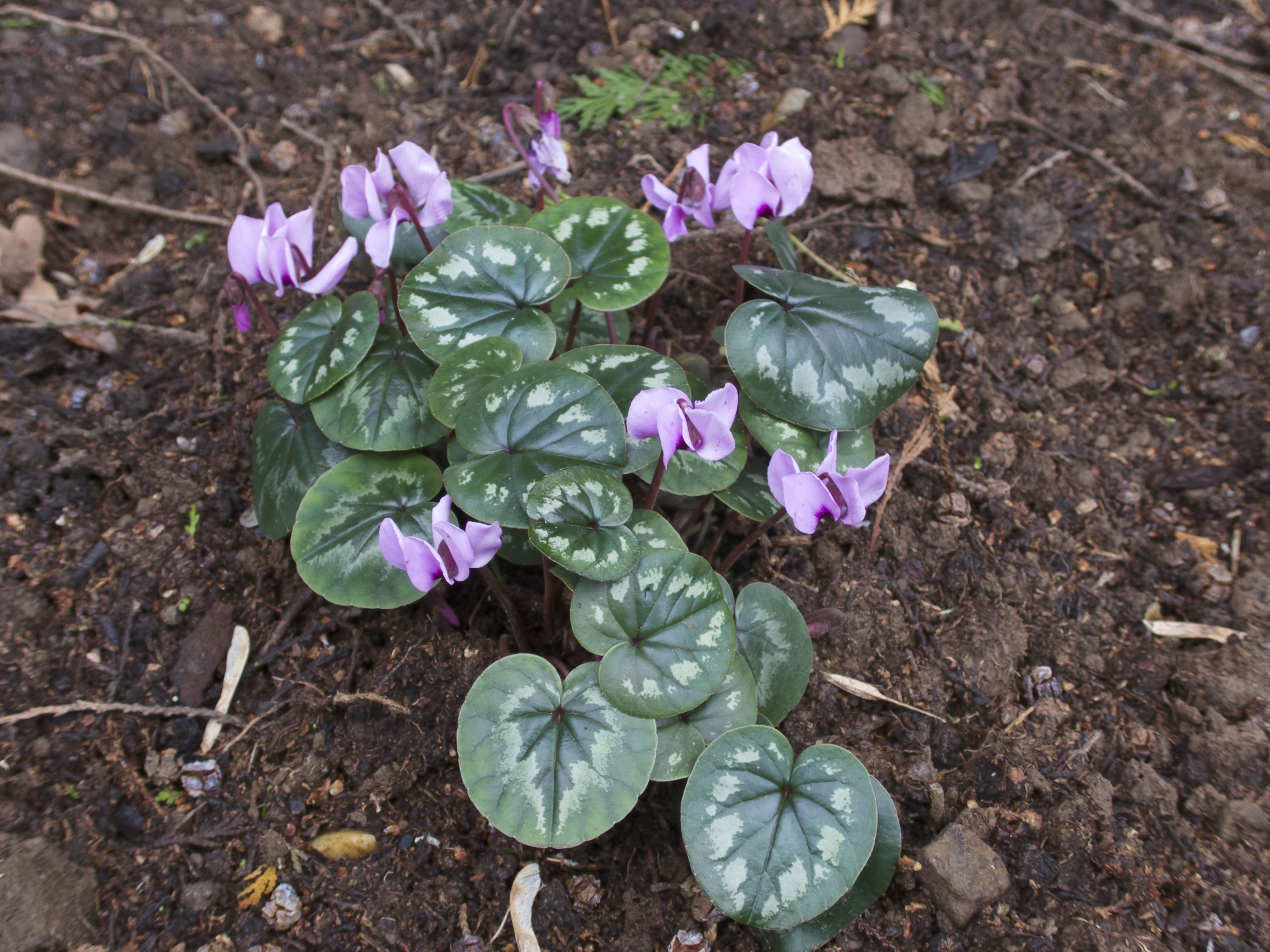
Cyclamen coum
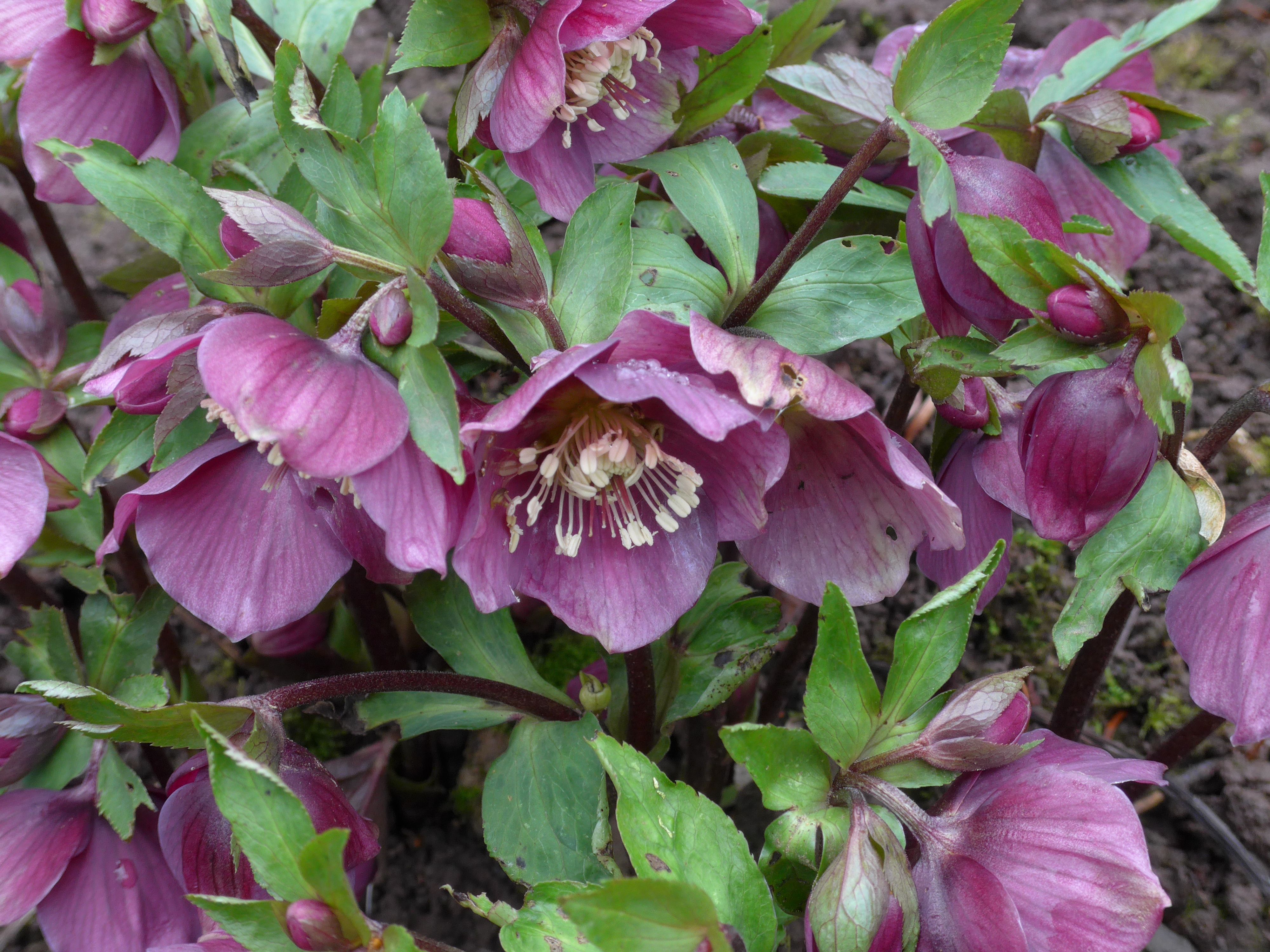
and glorious hellebores
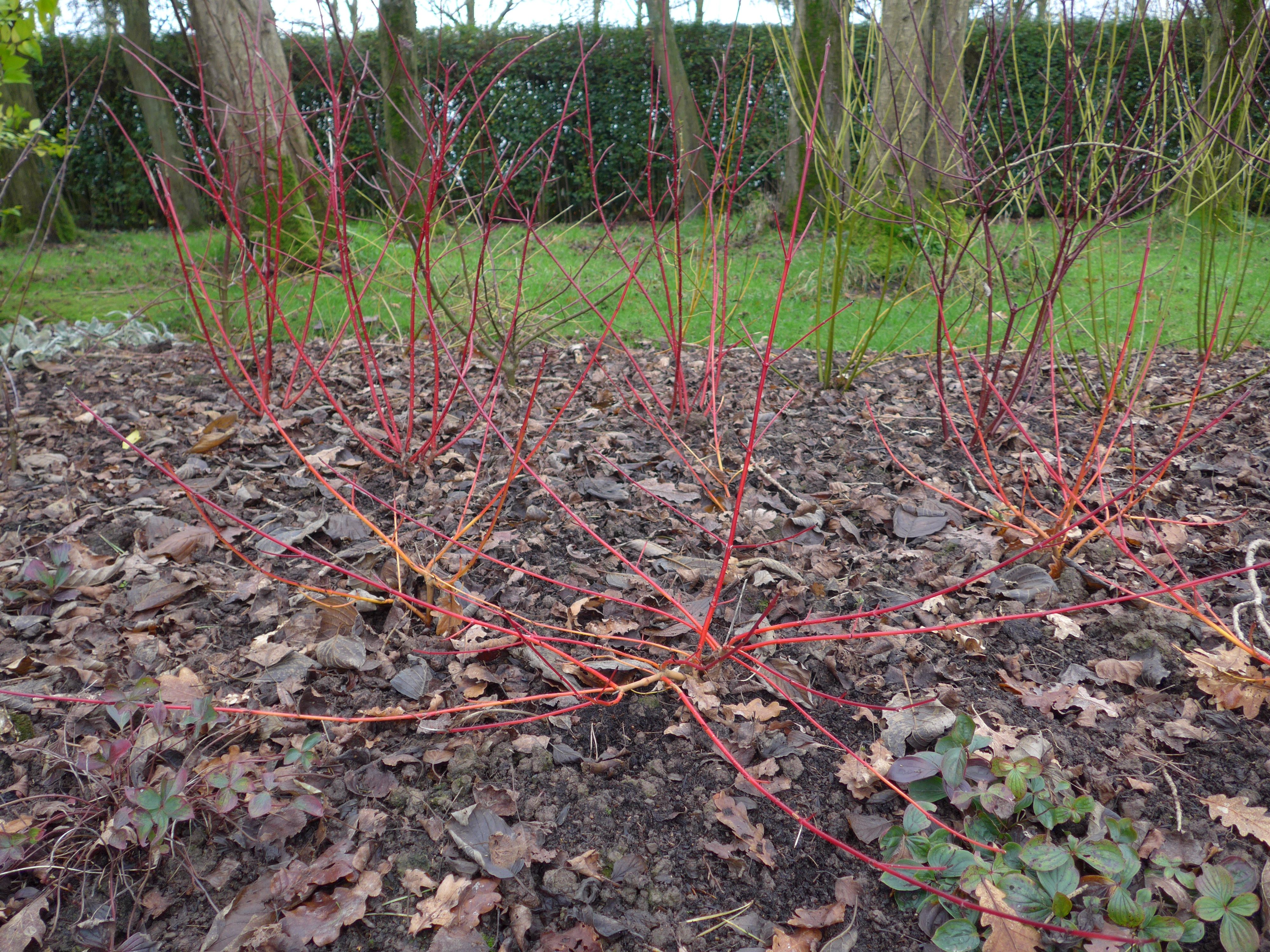
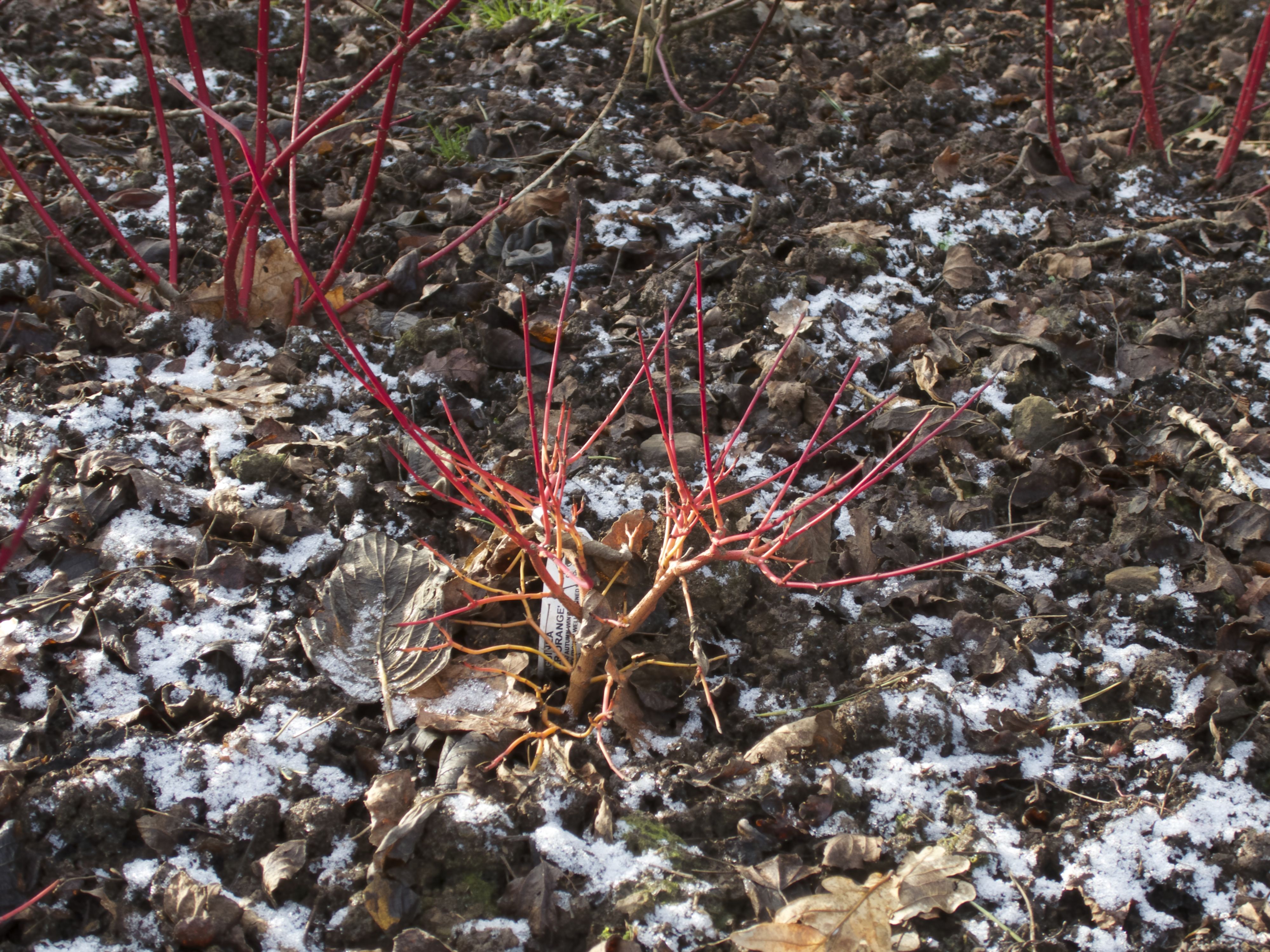
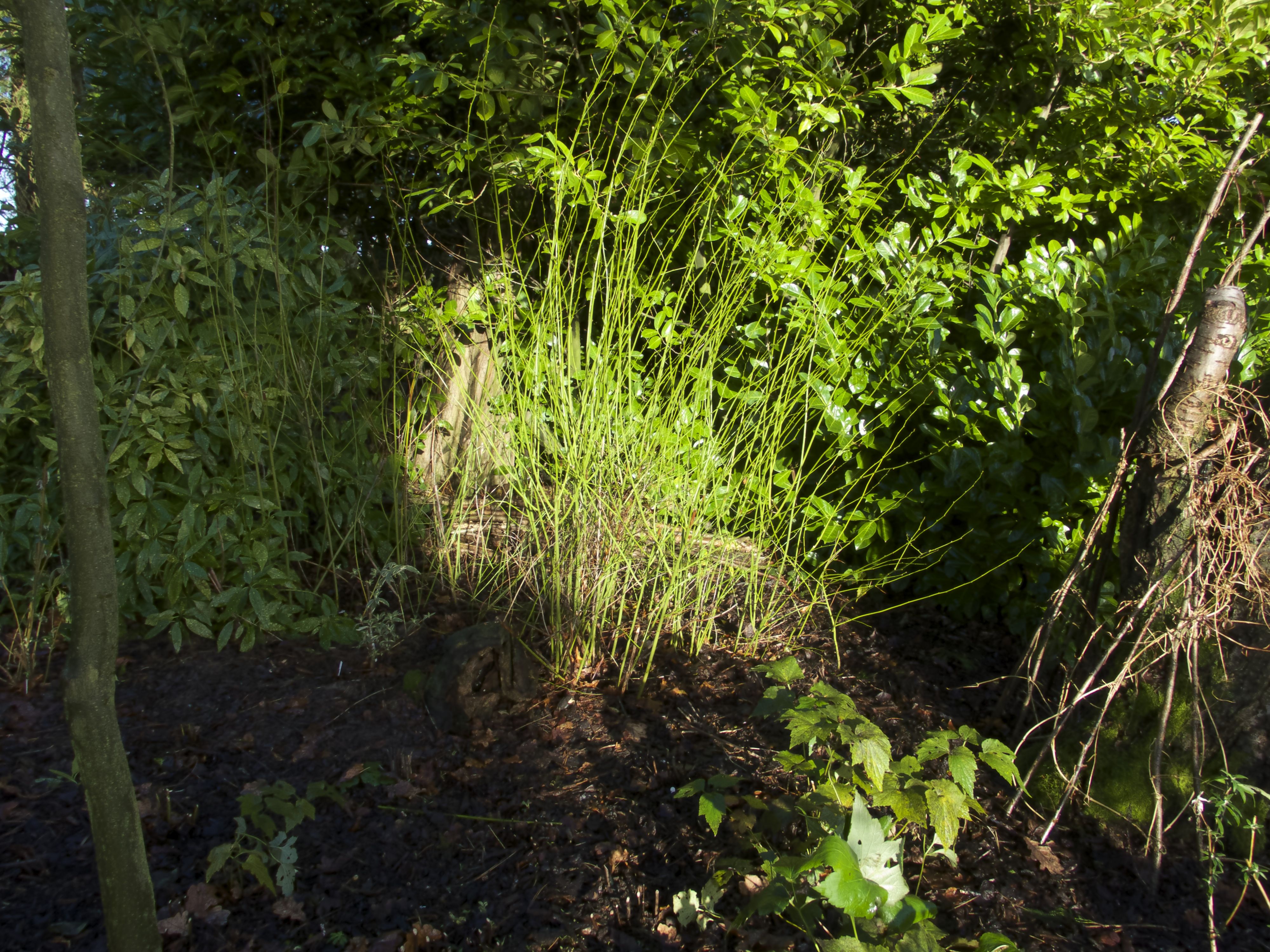
The new Cornus and Salix bed, planted a year ago, provided wonderful colours set on fire by sunlight, accentuated by frost and visible across the lawn from the house on rainy days.

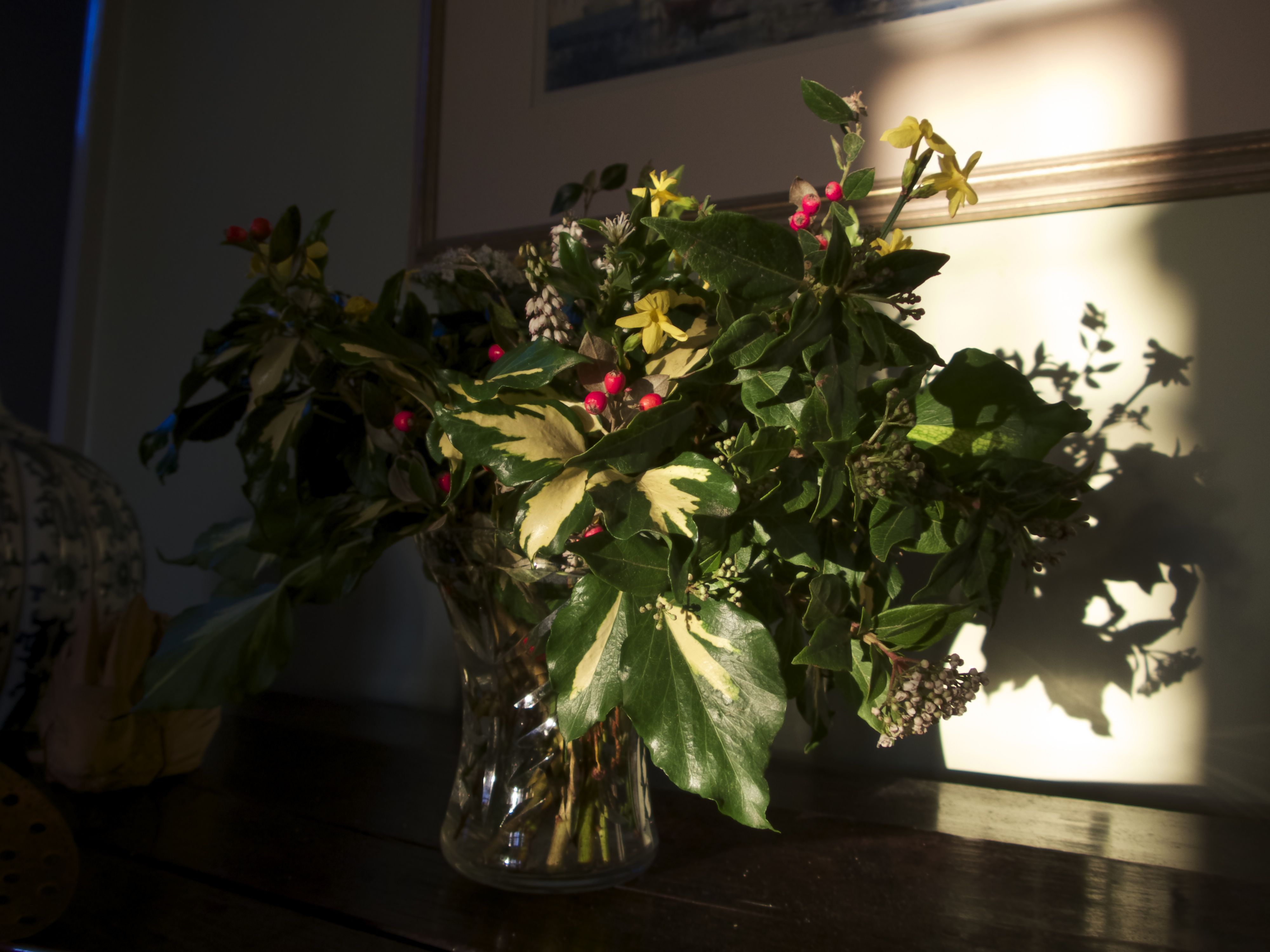
Plenty to pick for a winter posy to cheer a London flat and arrange in the hall.

One wet day on the way to gather veg for supper I noticed two of the old poplars foaming at the base of their trunks. How curious and what could cause this?
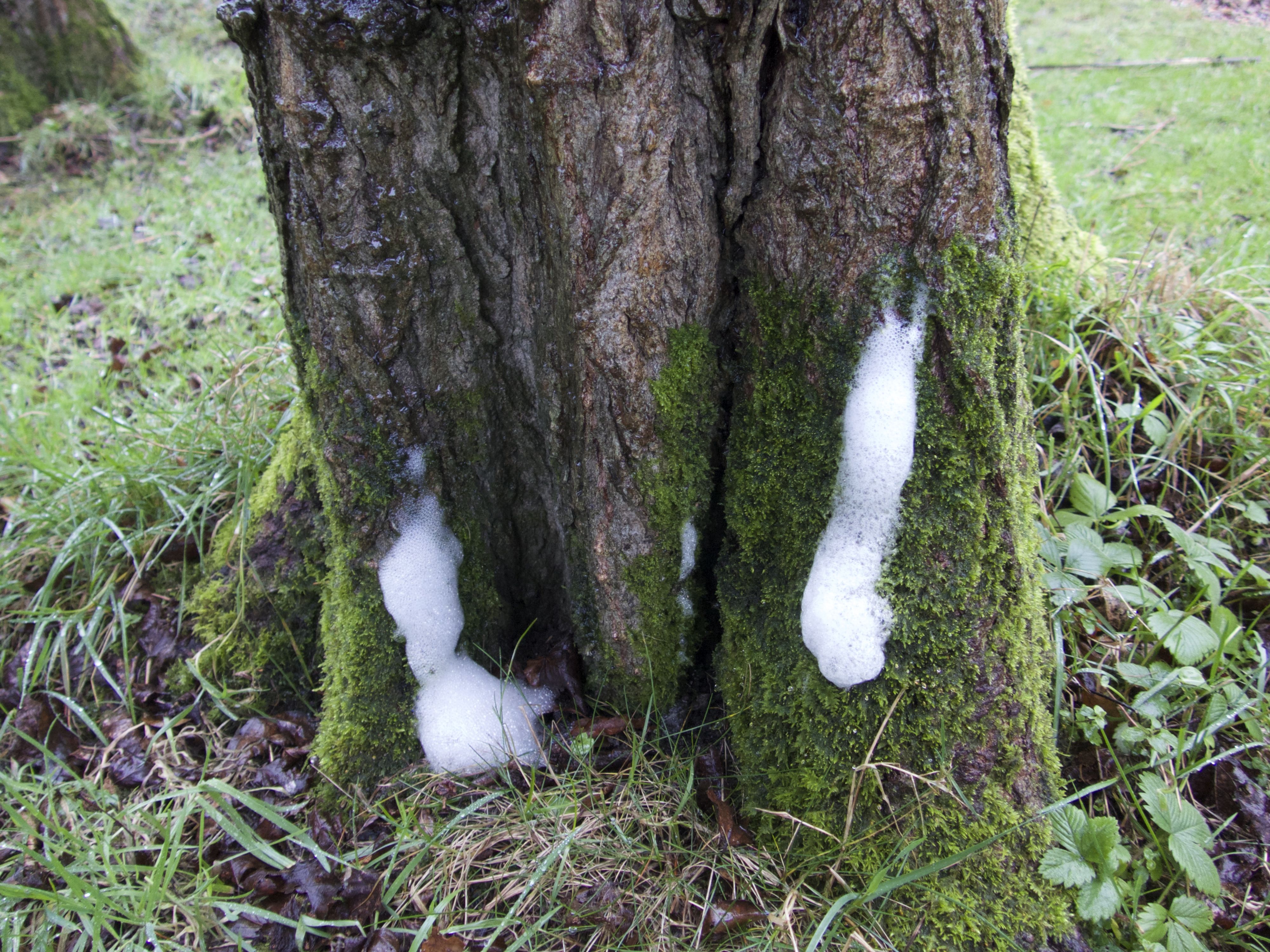
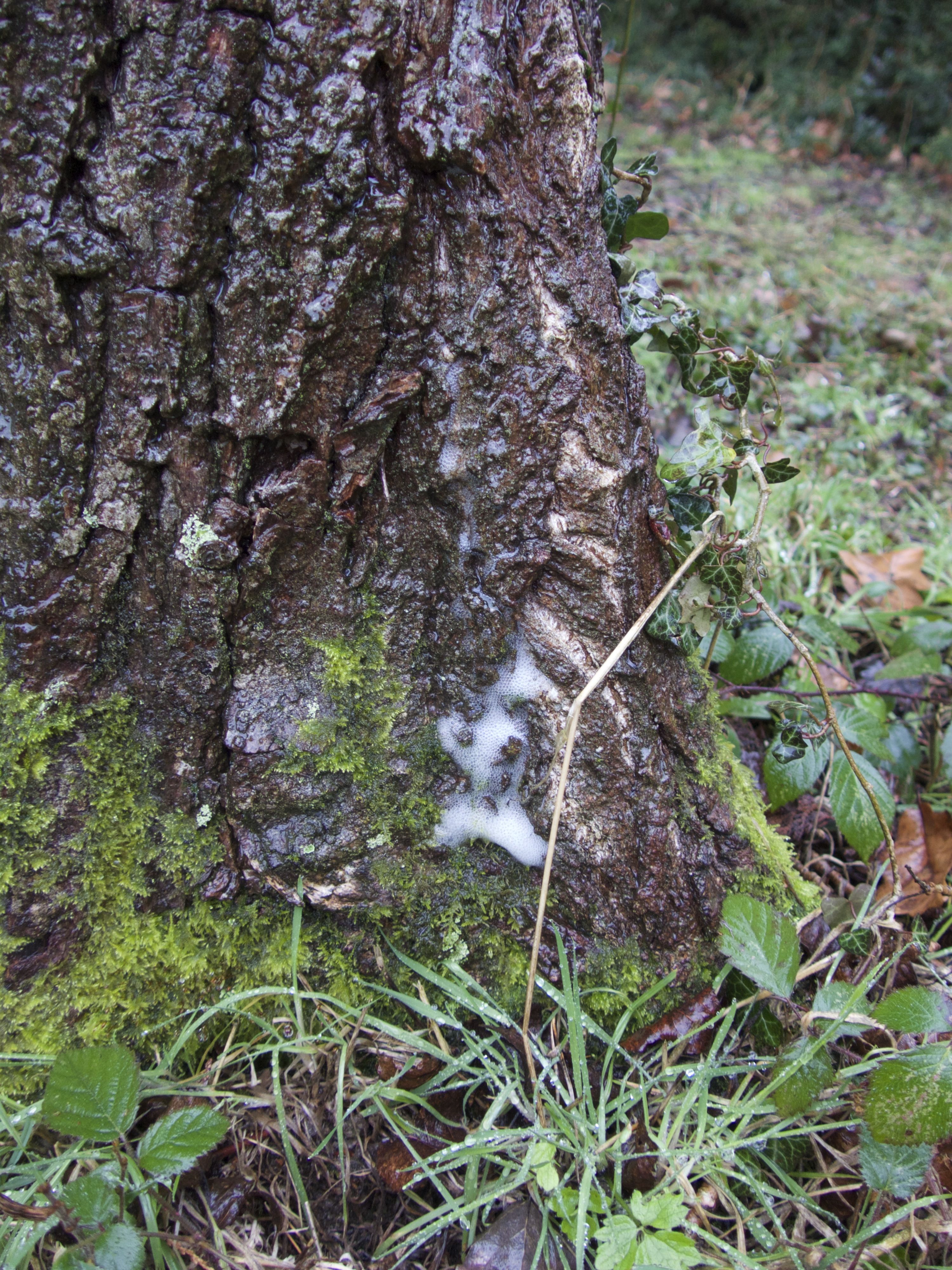
Possible explanations offered by friends :
‘This is certainly a curious case. Stem bleeding can occur through various fungi or bacterial infections that compromise the bark layer. The slight ‘fizzing’ may well be something like a secondary yeast infection that is fermenting the sugary sap. Have a sniff and see if this seems plausible… Really, it is the primary cause of the infection that is the main concern. It will be difficult to tell at this time of year without leaves on the tree, but I would keep an eye on the margins of the canopy and see if there is any crown dieback later in the year. This will be an indication of a loss in hydraulic conductivity that in turn is likely to be either a root pathogen or serious stem decay. It would also be a good idea to keep an eye out for other fungal fruiting bodies – if these are not perennial then late summer will probably be the best time to spot them.
The other thing to look out for will be to compare the spring phenology (leaf flush) of this tree to others (of the same species) in the area. If it is much later or more protracted then that could be another indication of a more serious issue.”
Alternative views
“Since pine resin has been used in making of soaps…and has some ‘foaming’ properties….the rain could be mixing the water and the resin.”
” My guess is that the foam is caused by the formation of a crude soap on the bark. During drought there is an accumulation of salts, acids and other particles from the air that coat the bark surface (soap is essentially salts and acids). When it rains, these mix with the water and go into solution. The froth (foam) is from the agitation of the mixture when it encounters a barrier (bark plates) during its flow toward the ground.”
These trees must be at least 70 years old. I hope the latter explanation is correct but only time will tell.
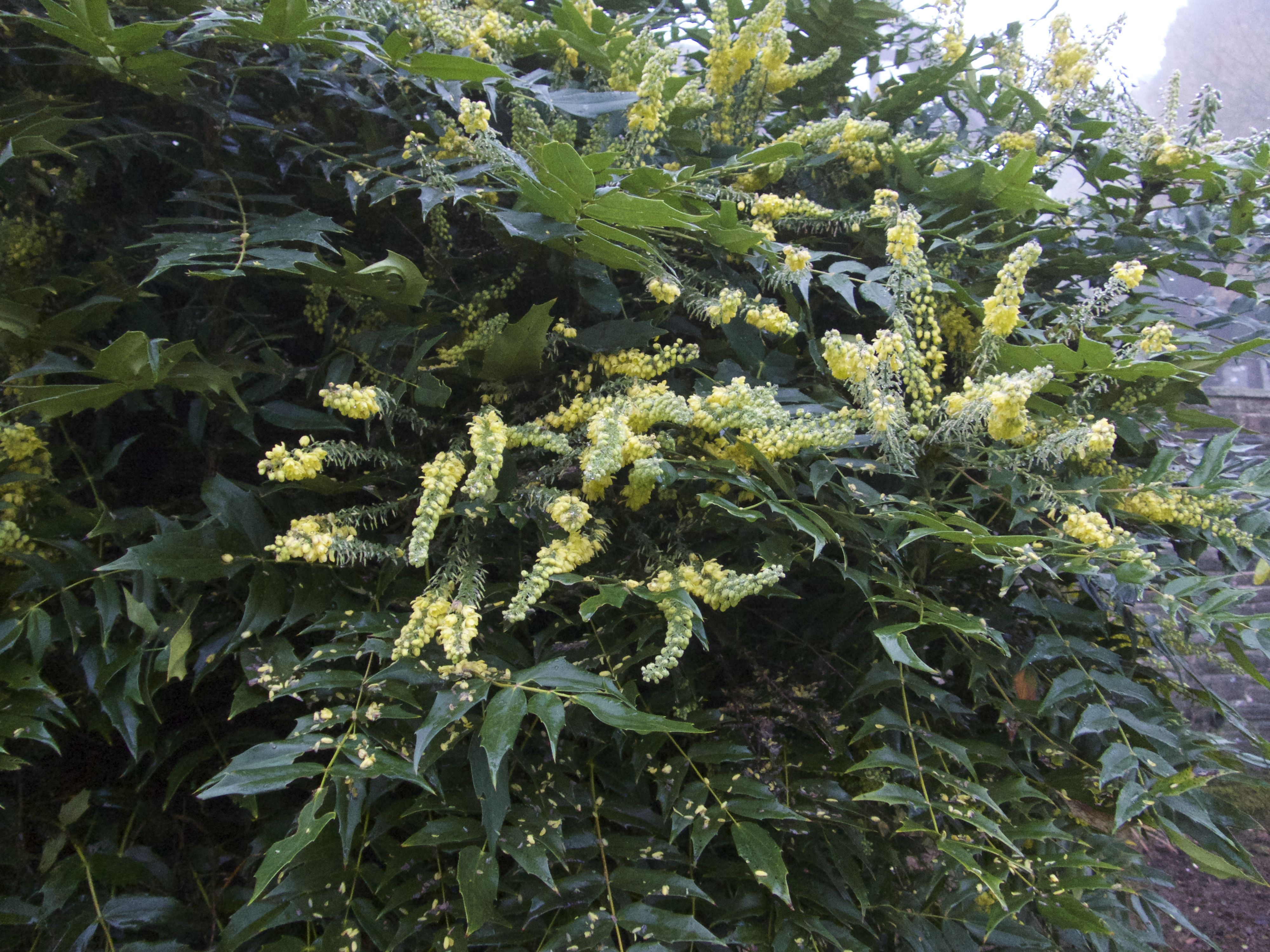
Wet and misty days bring the beauty of raindrop encrusted flowers, leaves and fruit on the Mahonia
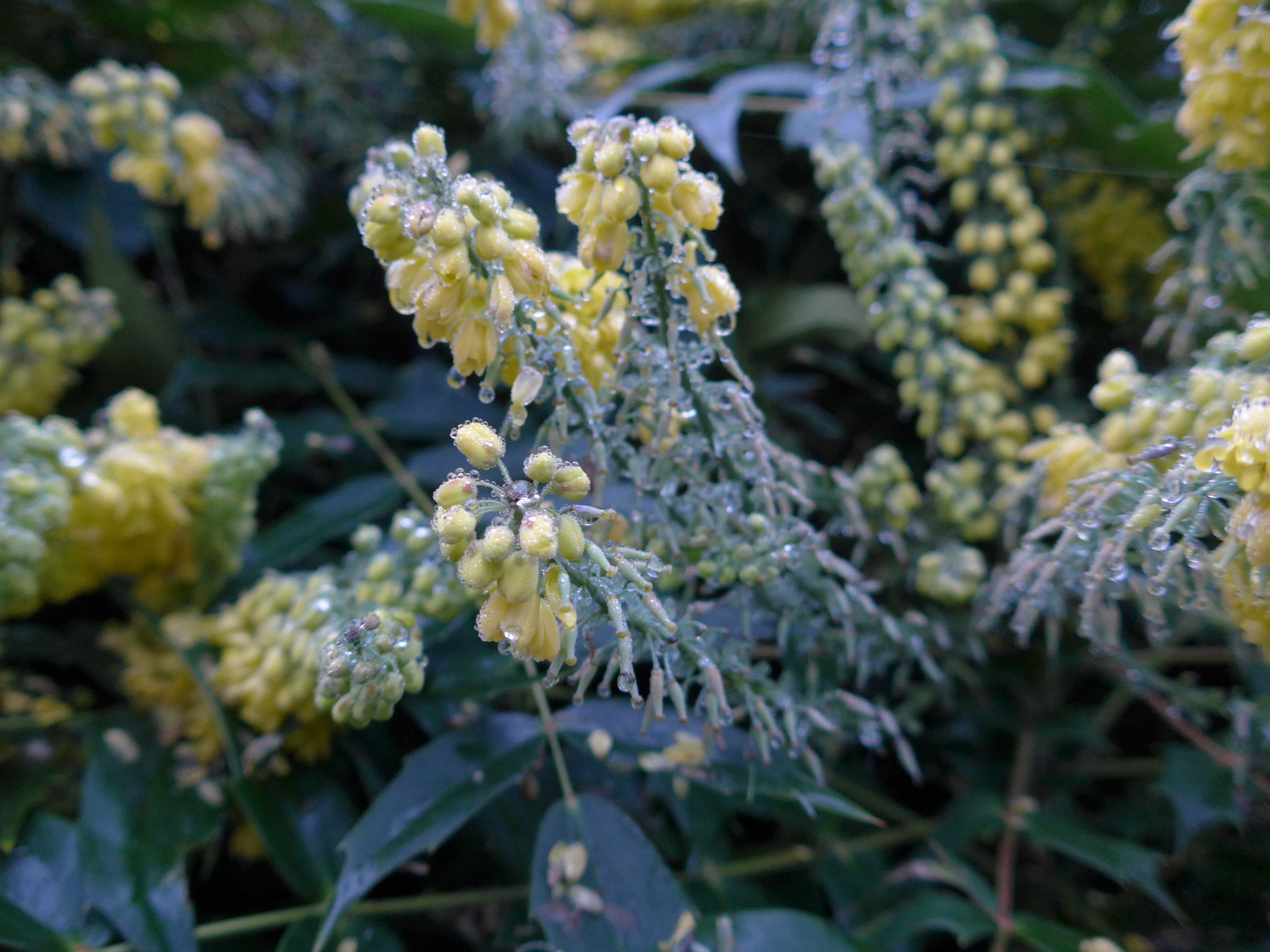
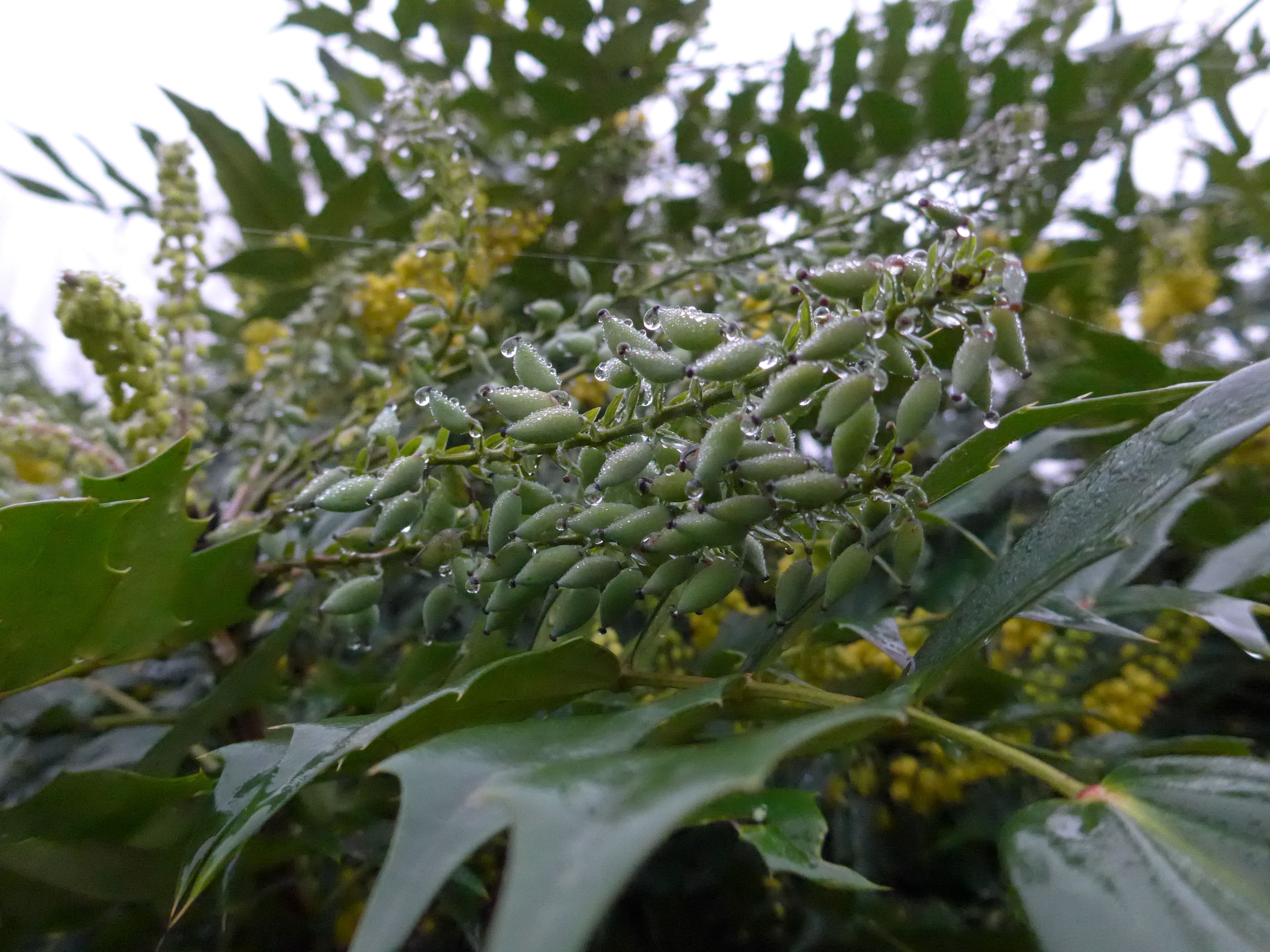
While the buds of the magnolia begin to swell full of promise of flowers to come.

Out of the mist the early Rhododendrons burst into flower and brighten arrival at the house from all approaches. It even makes a trip to the rubbish bins exciting!
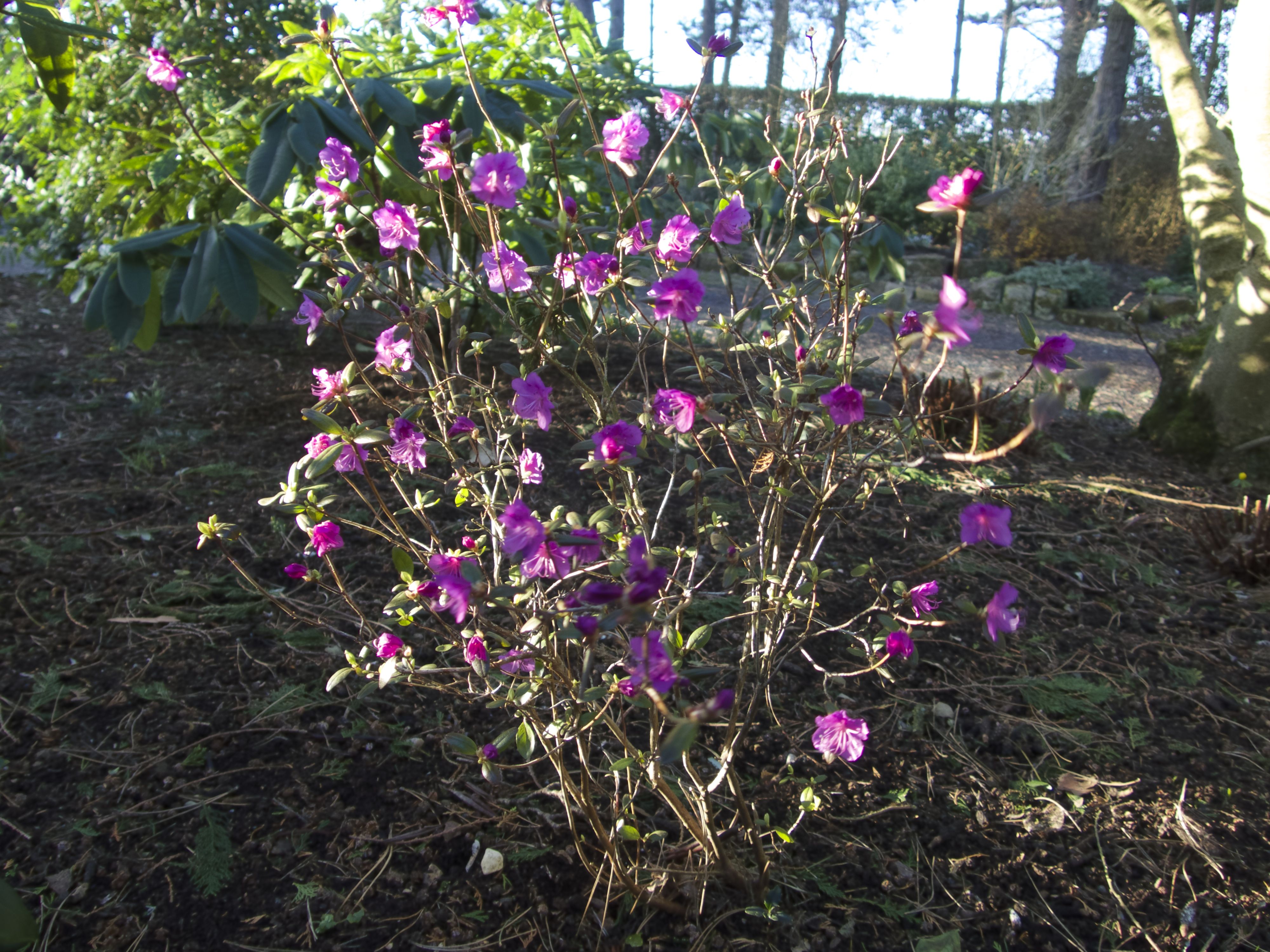
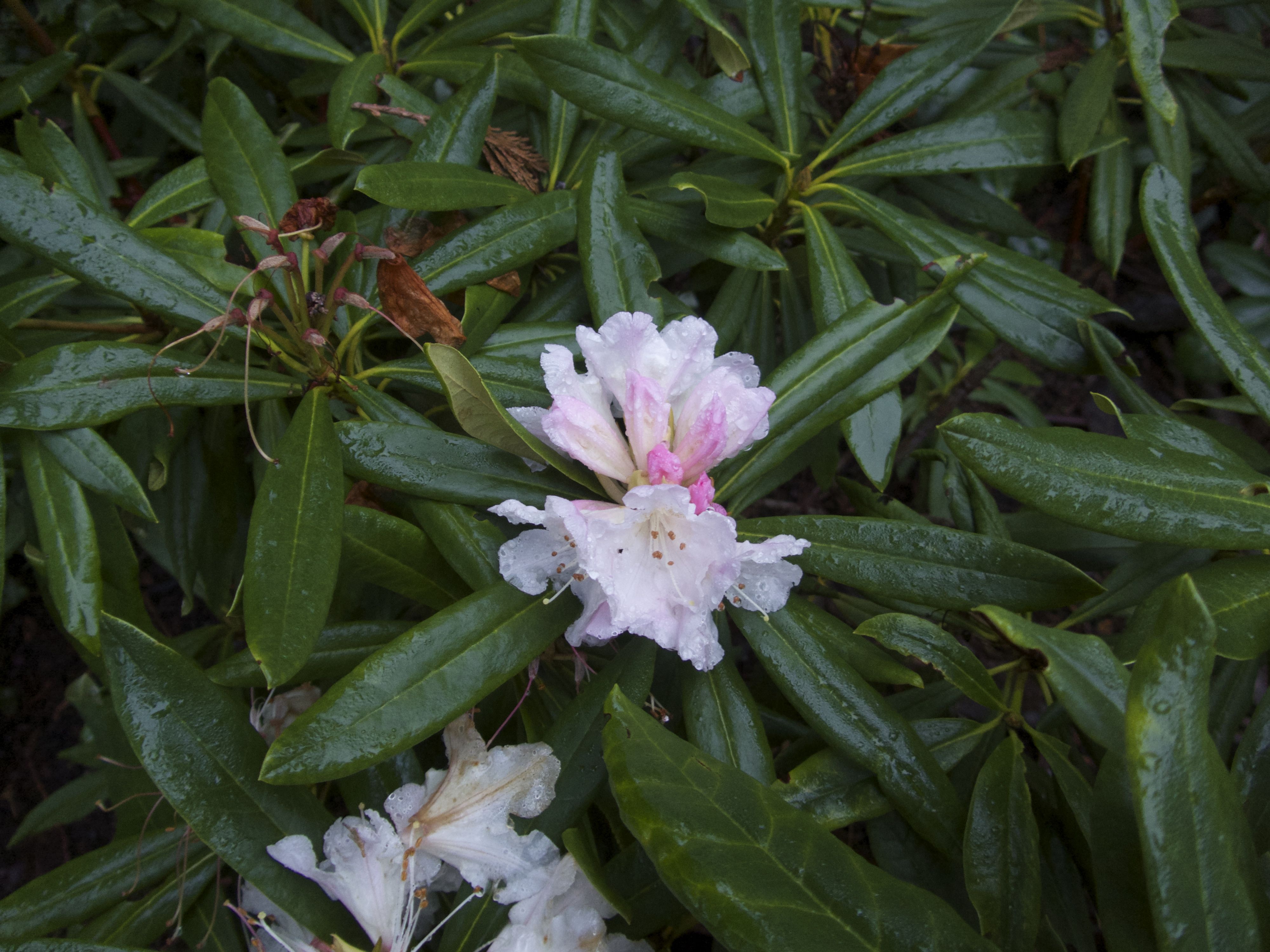
Winter sunlight has eye-catching qualities not only for the Cornus and Salix bed but setting off the stems of the humble Kerria japonica to great effect and enlivening work on the renovation of the bed alongside it in which periwinkles, honesty and foxgloves had run amok interspersed with snowdrops.
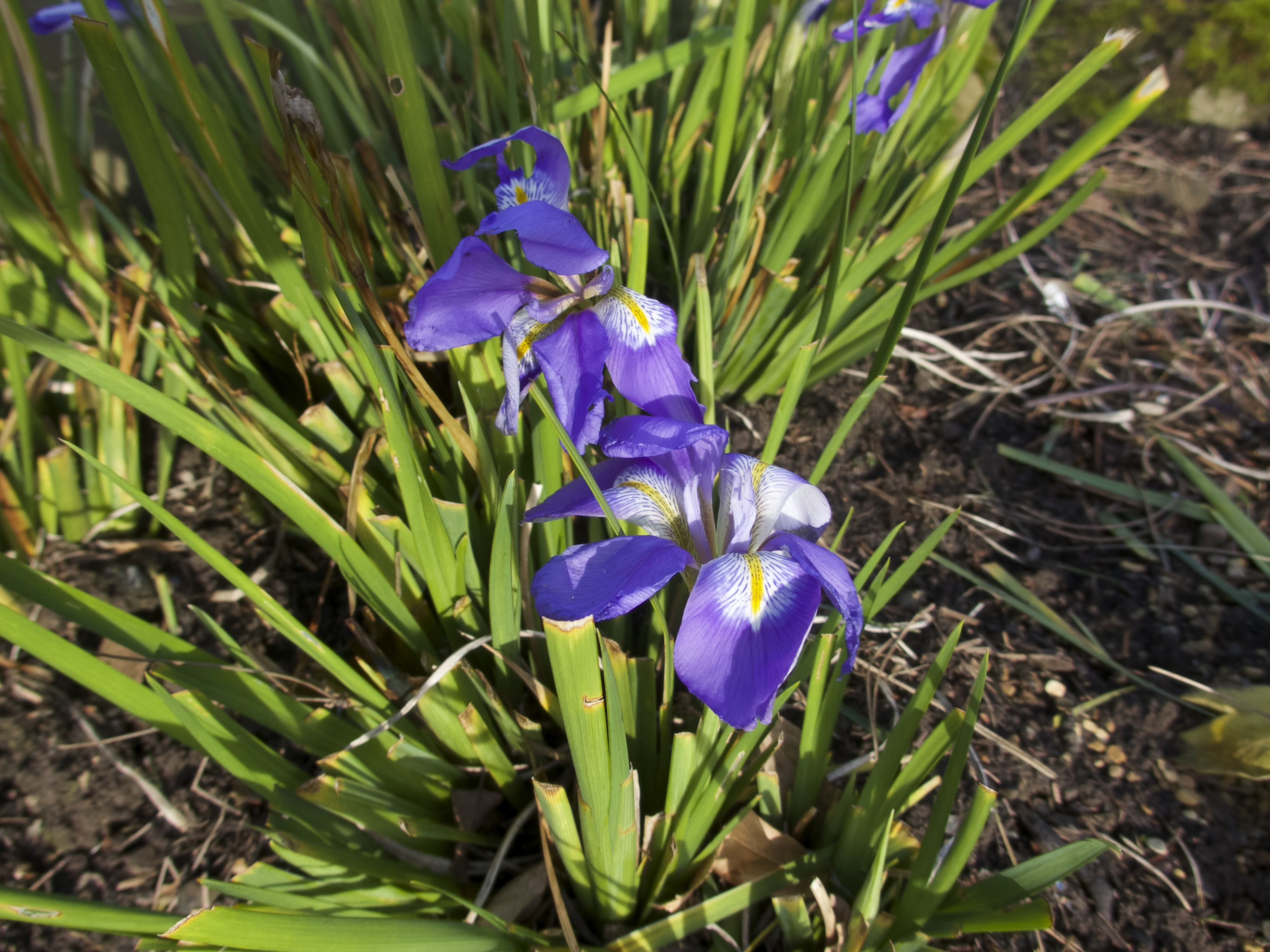
Every day there is a new joy to spot. This day the glorious Iris unguicularis burst into flower. The flowers last for only a day and then a few days later out come a new group to repeat the cycle again and again all winter.
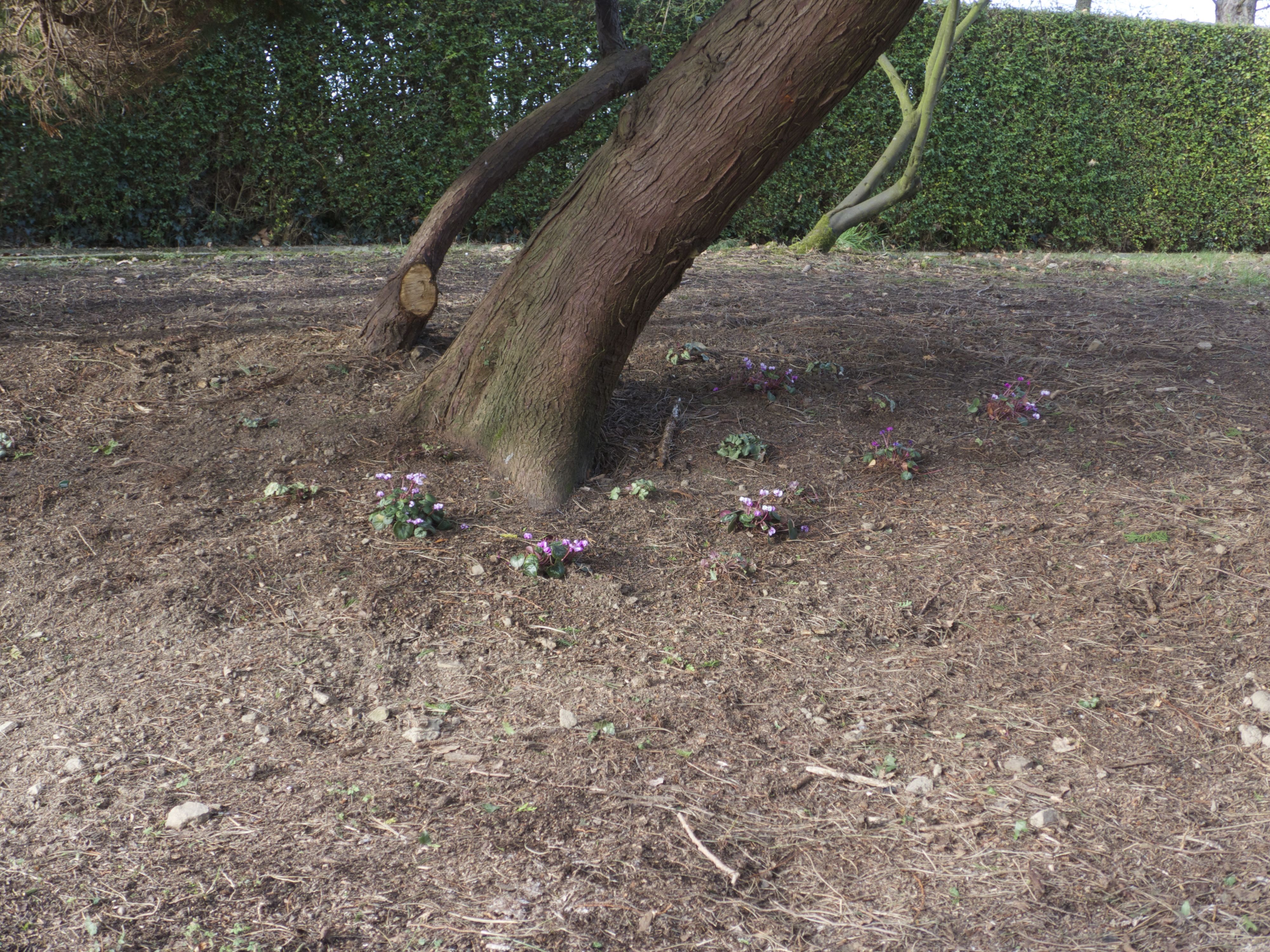
A newly cleared area underplanted with Cyclamens coum (flowering now), hedrifolium (flowers in the autumn) and wood anenomes (flower in the spring).
Designing a new access path with an old hose.
Connecting up the renovated areas of the long border to great effect.
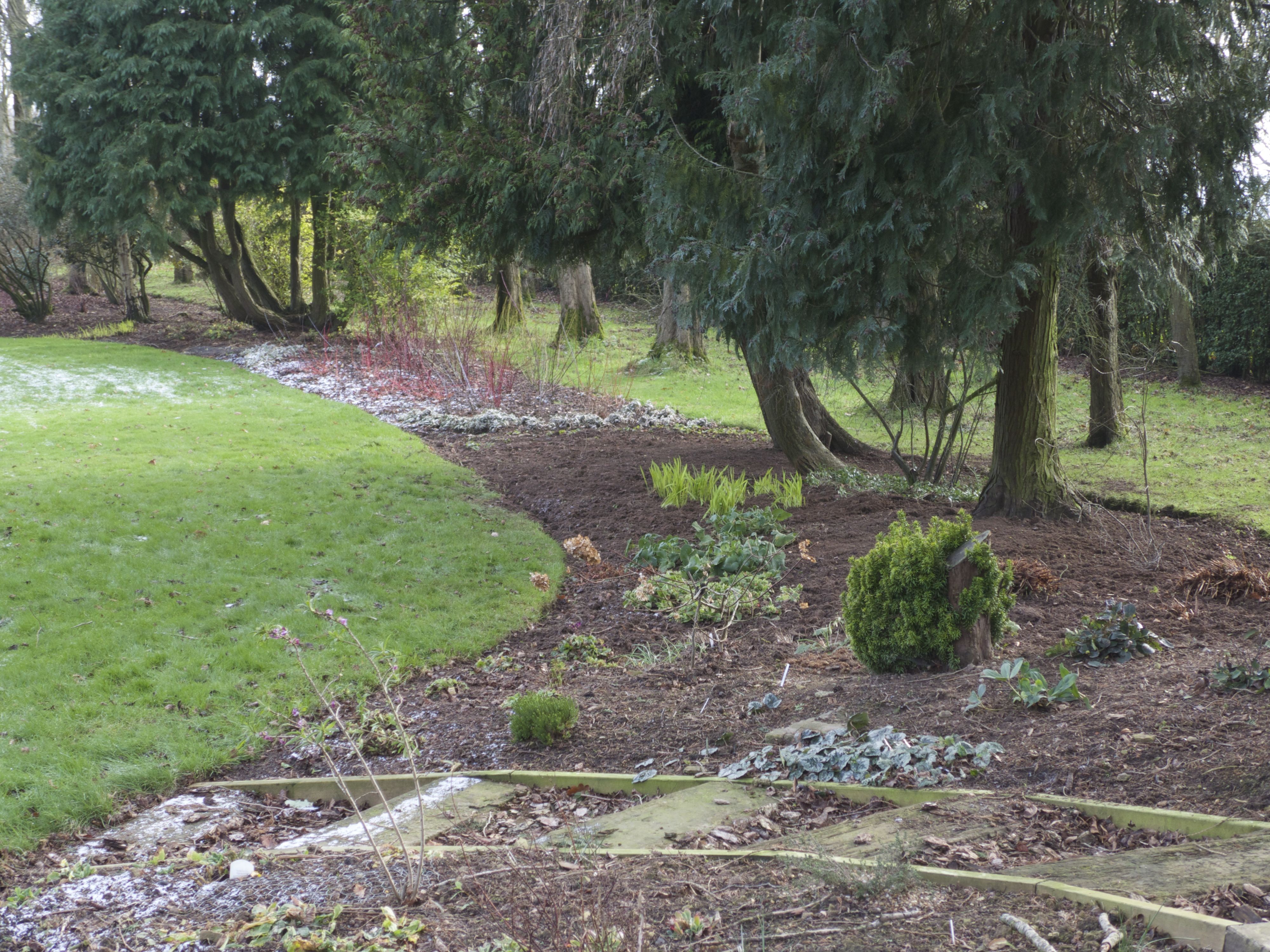
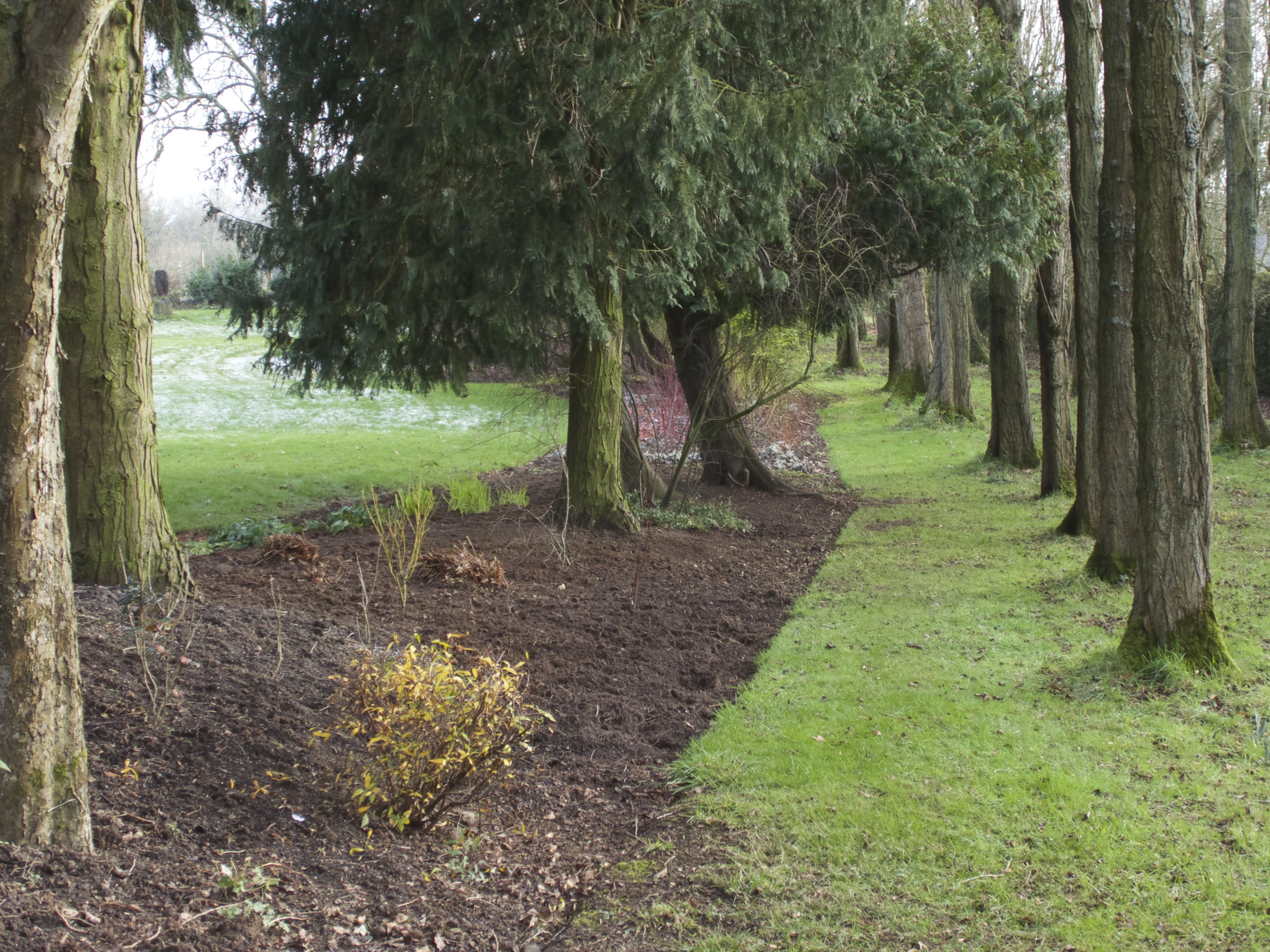
And still the Mahonia flowers and brightens the day.
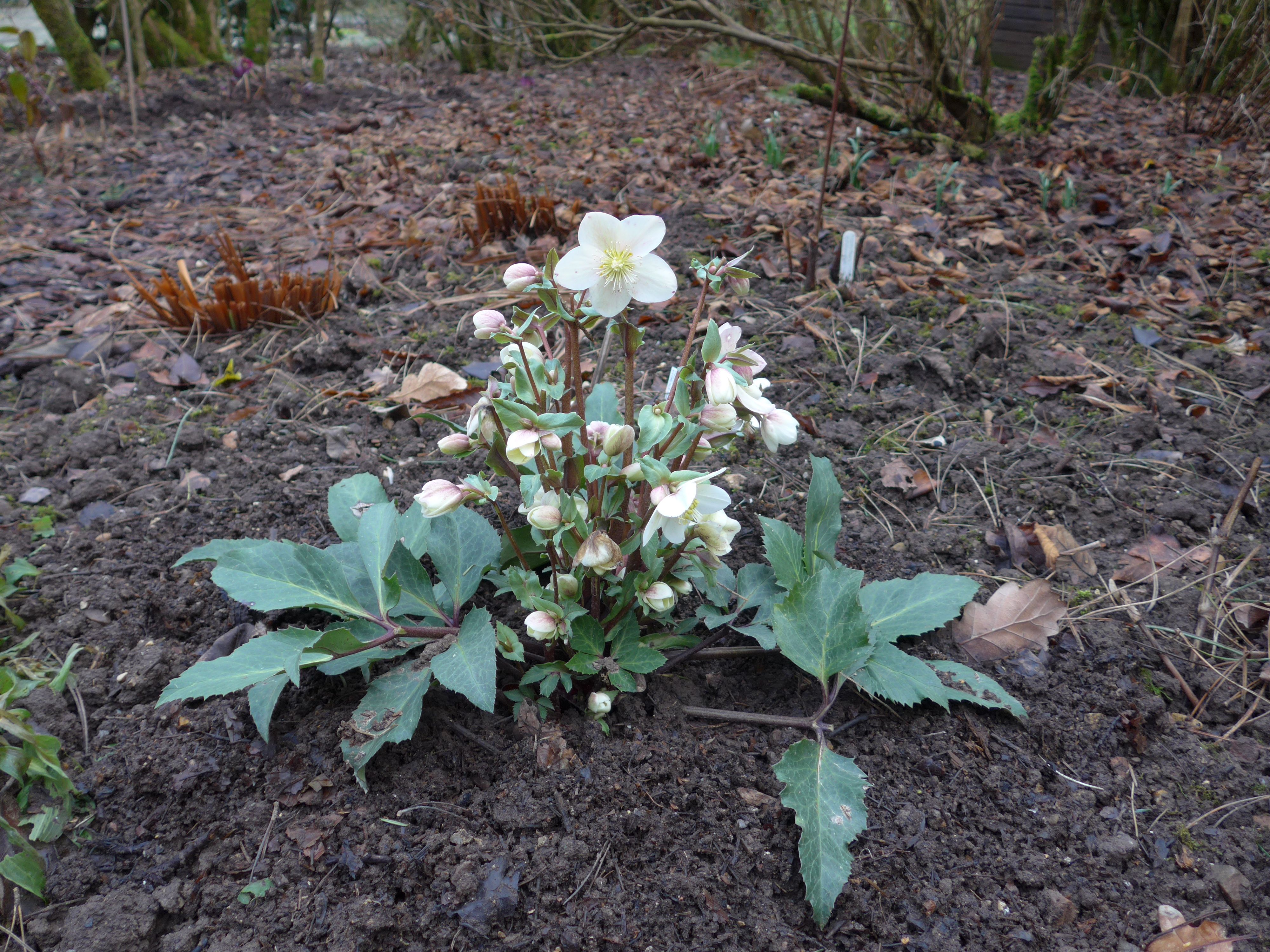
Found this gem of a hellebore, Helleborus x nigercors. It looks wonderful in a shady bed.
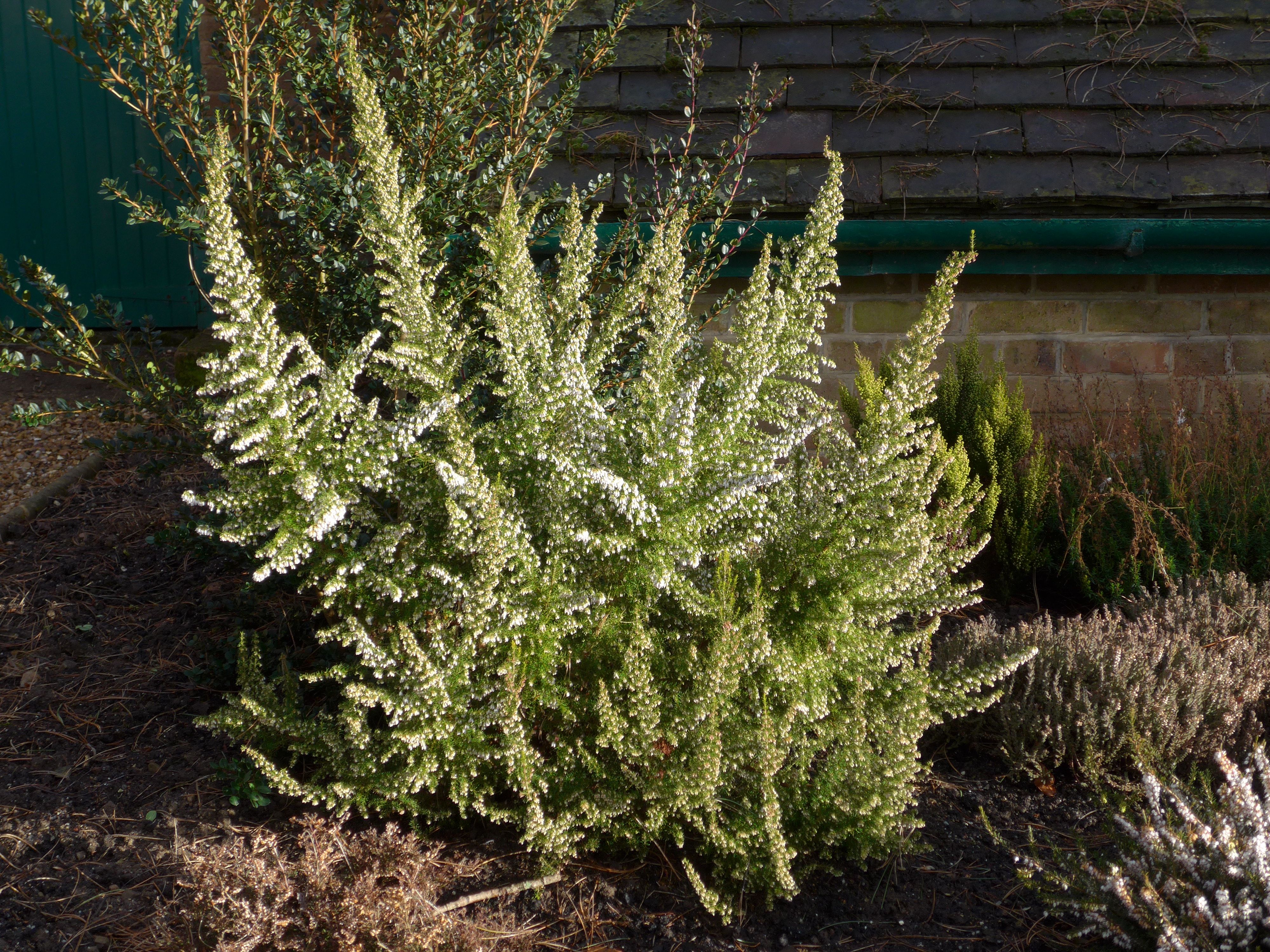
The tree heather in full flight!
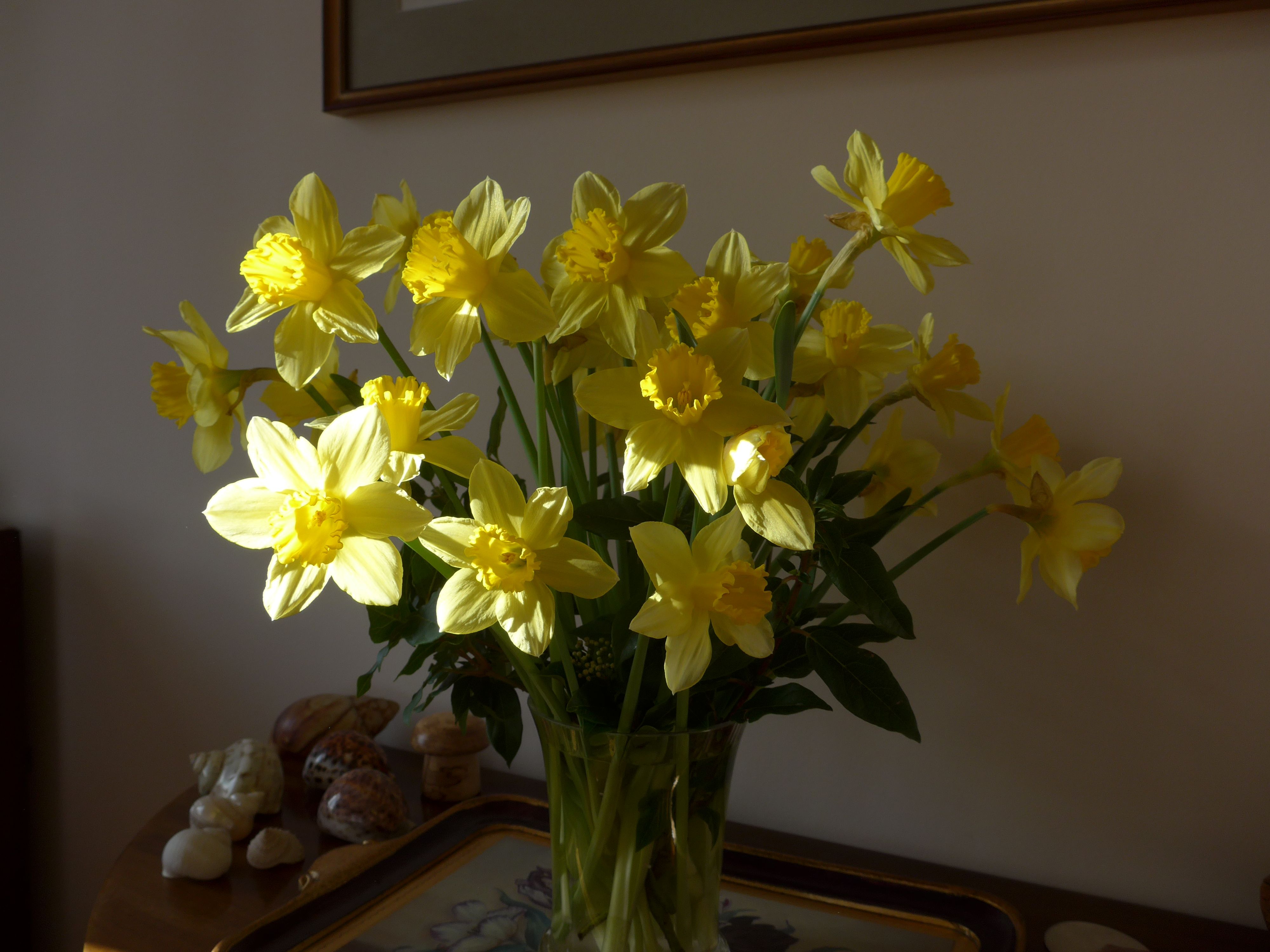
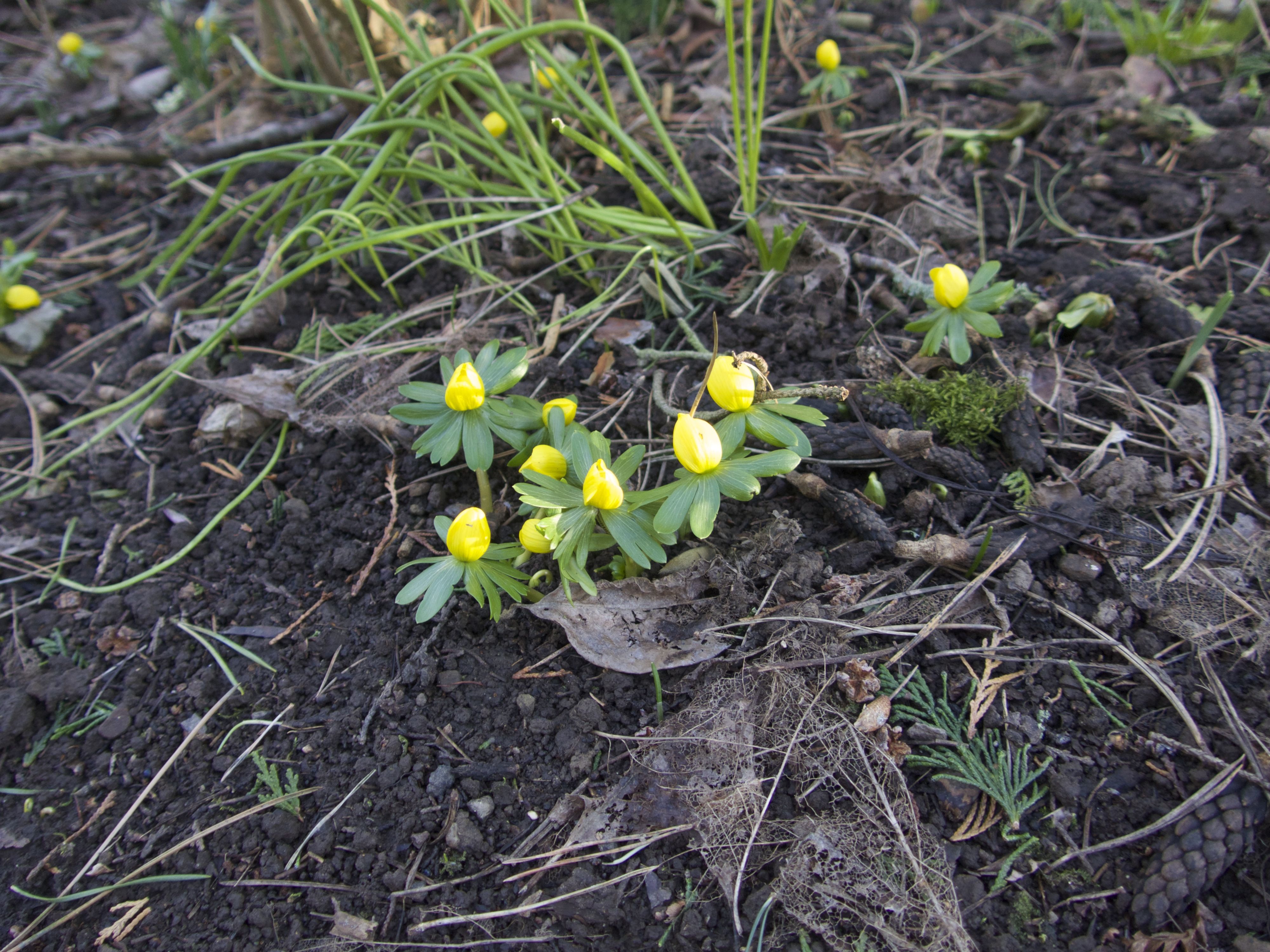
A wonderful present of glorious scented narcissus in the house while the aconites awaken outside.
January was full of surprises and a growing sense of completion as now three quarters of the garden is renewed.
 Horticultural Adventures